

Haunted Hotel, and Jentry Chau vs. The Underworld: Our Relationship with Death
Written by Vi-Linh | January 15, 2026
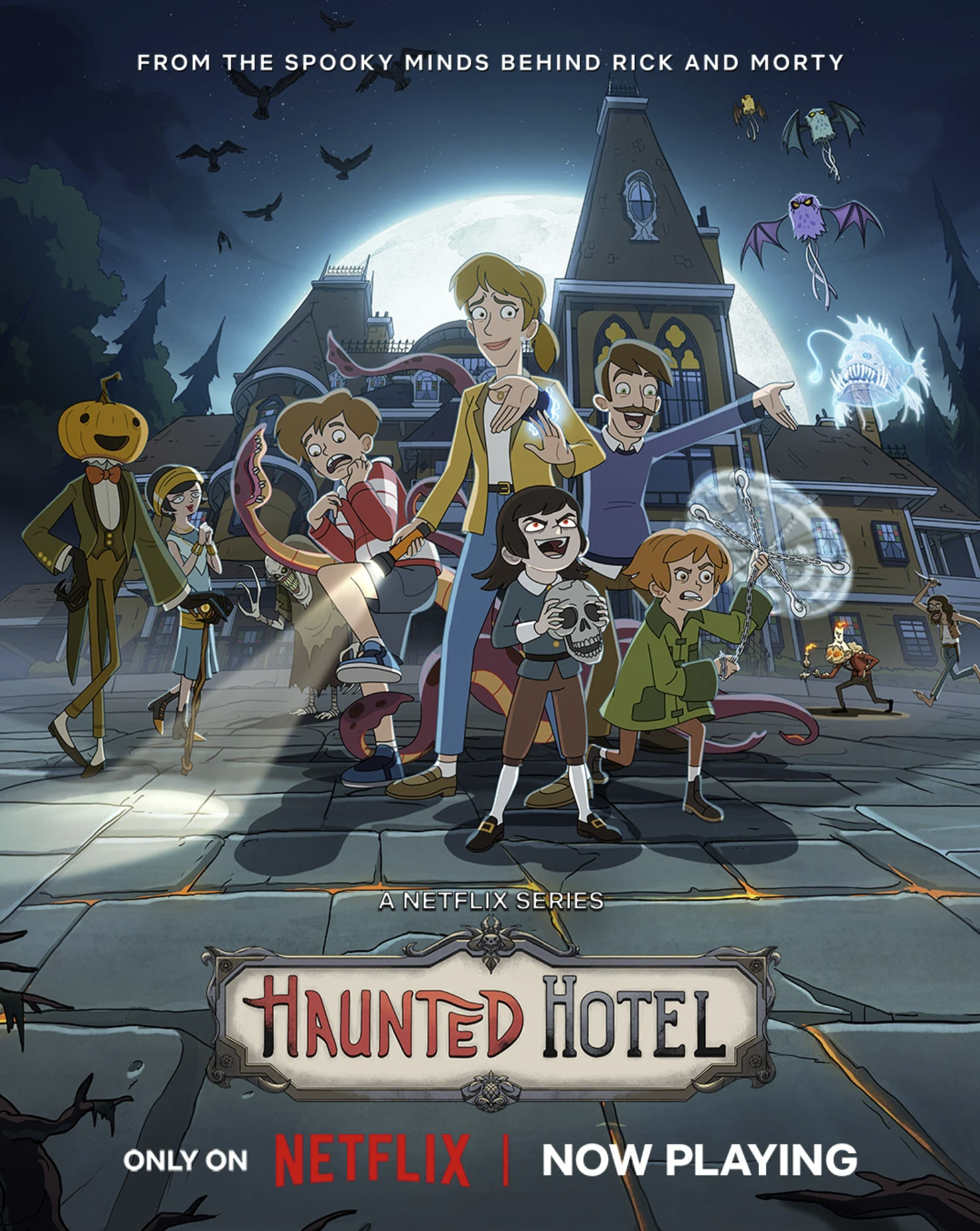
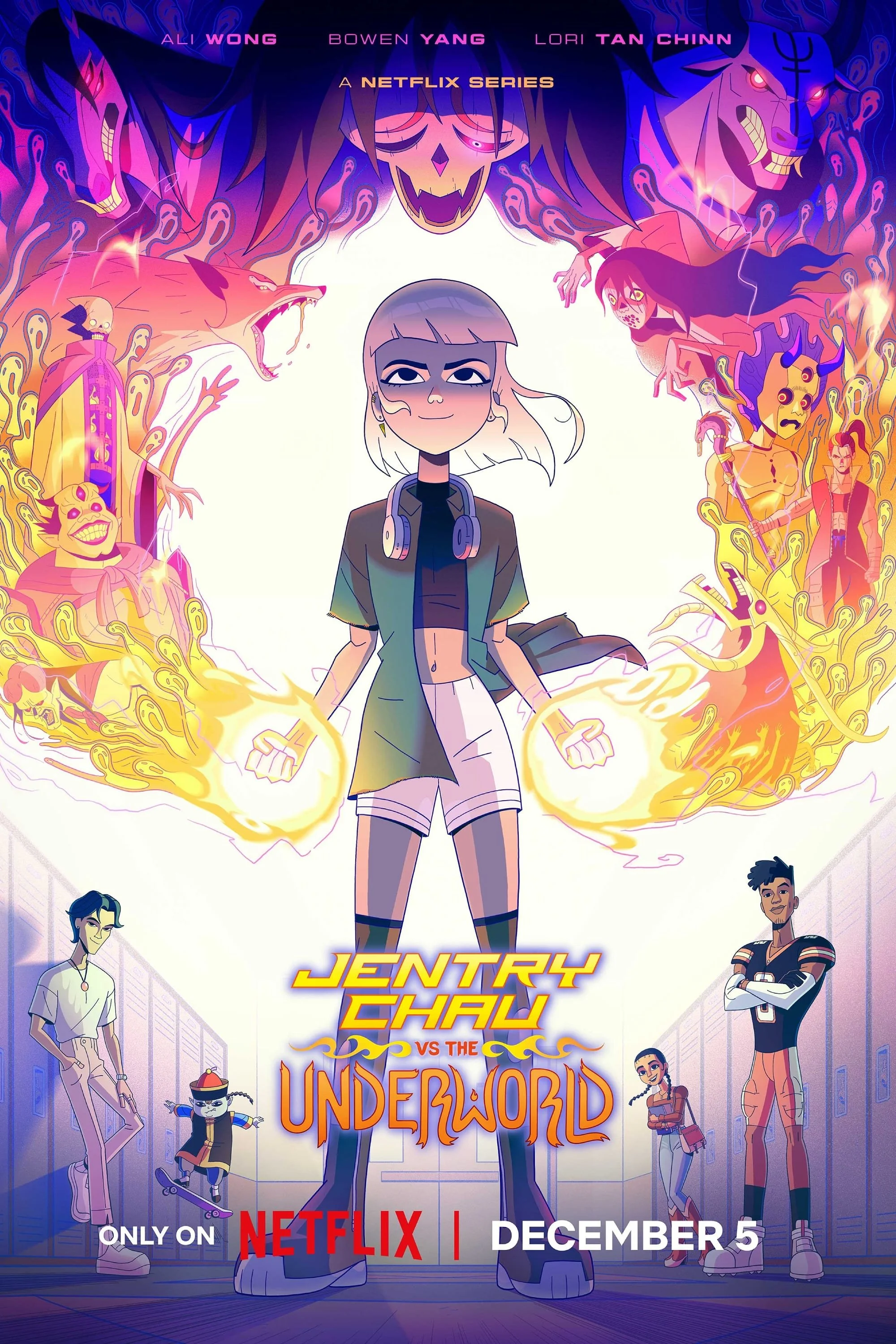
Death can be a scary thing to think about, controversial even. Wars have been waged over what happens after death. Modern masses still fight about it today, whether through online spats, religion, or channeling disagreements and opinions through art. Death comes for us all and affects the people around us in different ways. An unexpected way the mysteries of death have been channeled is through animation. Shows like Haunted Hotel and Jentry Chau vs. The Underworld demonstrates through different methods how death, as a subject, has become less feared.
Haunted Hotel is an animated series created by Matt Roller. It’s a series with a more mature target audience because of the subjects it deals with and the language it uses to address those subjects. The character designs are streamlined to a more simple, TV-ready animation that’s reminiscent of many adult-oriented shows like Rick and Morty or Big Mouth, but with a cleaner aesthetic. The story involves a single mother, Katherine, and her two kids, Ben and Esther, inheriting the Undervale Hotel from Katherine’s late brother Nathan. Based on the show’s name alone, it’s easy to surmise that the hotel is haunted. Nathan is one of many ghosts that haunt the hotel. The show is easy to get into if ghost thrillers, comedies, and familial drama are already in your wheelhouse as a viewer.
Jentry Chau vs. The Underworld is an animated series created by Echo Wu. This series has a story that focuses on Jentry Chau, a Chinese American teenager who rediscovers her repressed powers and has to return to the Texas suburb she grew up in. The show explores a variety of themes, from how generational choices affect youth, to death and grief. The art style is sleek, reminiscent of traditional fashion sketching with the vibrancy of Japanese-style pop art. The story is heavily inspired by traditional Chinese folklore and Taoism, the underworld is referred to as the Diyu throughout the show. The characters are distinct and recognizable, with their ethnic features carefully depicted.
This section and beyond will dive into SPOILER territory for both Haunted Hotel and Jentry Chau vs. The Underworld, so read on at your own risk here.
I didn’t have high expectations coming into Haunted Hotel based on the very typical art style of animated series aimed at an adult audience. Those kinds of shows usually go one of two ways: nightmarish existentialism that questions the very fabric holding modern society together, or gross-out humor with added sex jokes, with some character drama sprinkled here and there. But the characters of Haunted Hotel are compelling. Nathan is a ghost you’d want to befriend with his overwhelming positivity and hope in others. This is despite the fact that some of these potential friends are clearly homicidal. Katherine is a hardworking woman whose headstrong nature you’d want to absorb into your life, yet her anxieties as a single mother in a failing hotel make her relatable. Ben is an insecure teenager trying to figure out his place and you want to root for him. Esther, the mischievous black magic user and youngest of the family is endearing despite the chaos she can bring to those around her. I was excited to see how she grows alongside her big brother. Last but never least, Abaddon. The character who’s inspired countless visual masterpieces and whose fan art permeates my social media.
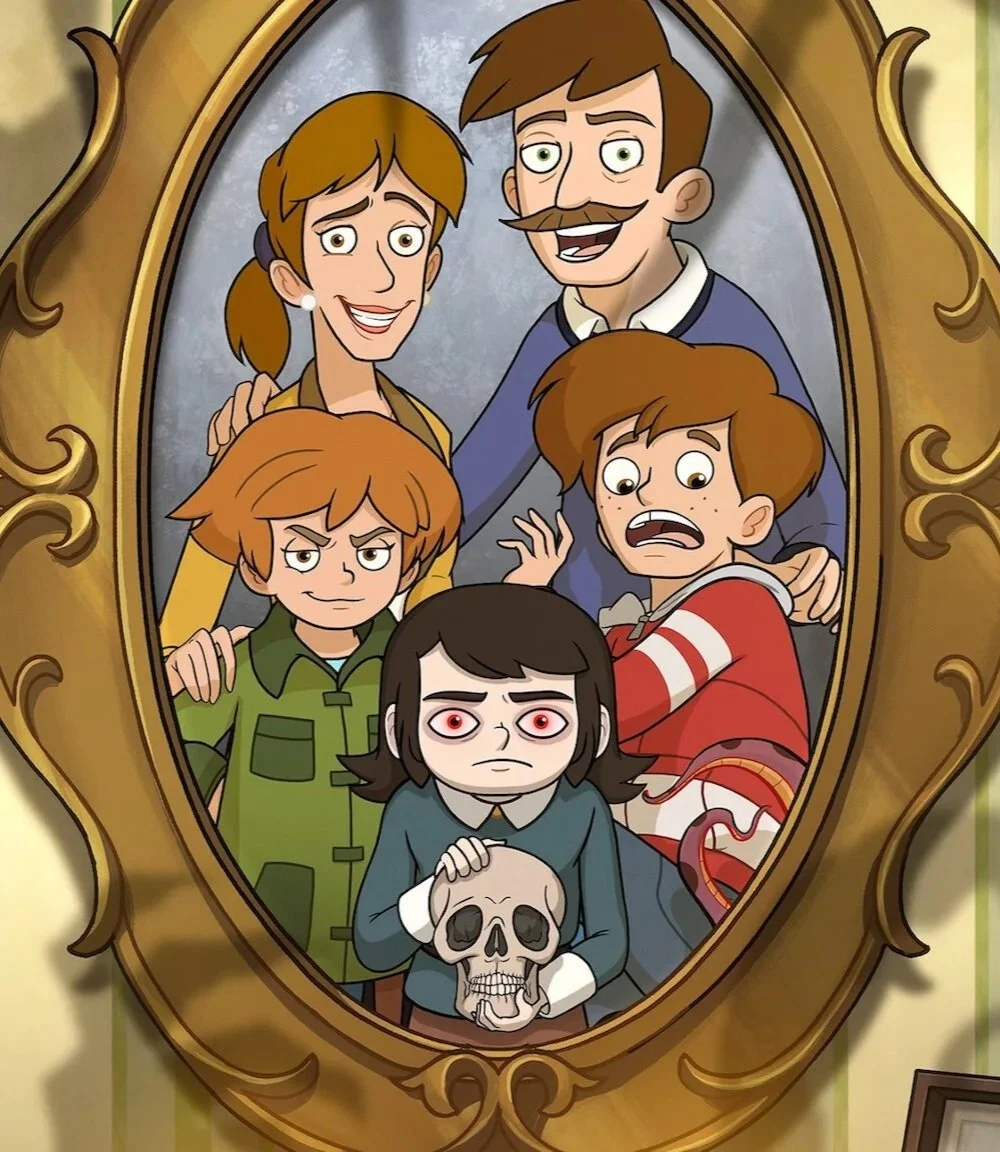
Abaddon is the character we build up to in the first season. He’s an immortal demon trapped in the body of a seventeenth-century little boy. His backstory ticks off every checkbox of the troped loner with tragic origins who doesn’t-care-but-learns-to-care as the series progresses. If you’ve been on Tumblr in the early 2000s, you know people ate this up. When the hellish realm first sent Abaddon to this mortal plane, he possesses a little boy to “wreak havoc”. Possessing a little boy is also meant as a pastiche of popular horror tropes where the innocent get corrupted by demons. Think Reagan from William Friedkin’s 1973 hit horror flick The Exorcist. Anyway, Abaddon becomes the ward of Nathan and a resident of the hotel. He’s a menace that constantly needs to be monitored but is the very being that saves the Undervale Hotel at the season finale. Viewers sympathize with Nathan here because he was the first being to find hope in him. And it pays off.
In Jentry Chau vs. The Underworld’s story, it’s a bold choice to have Jentry’s remaining parental figure, Jentry’s great-aunt Gugu, die so early in the series. Even if she’s only losing her physical form, she’s still risking her soul being outside the cycle of rebirth according to the lore of the show. The connection between death and Jentry is established early. She has lost the two most important figures in her life, so audiences know that death is attached to Jentry in some form here. It becomes more apparent later on in the series. The audience finds out that the reasons behind her coveted powers are tied to the Diyu. The fact that a demon develops feelings for her ties Jentry to the Diyu and, by extension, death. Jentry’s desire to live a normal everyday life is the biggest obstacle in her story because of how death surrounds her. This show does an amazing job at displaying how death isn’t an end to a linear path, but rather part of a great cycle. Jentry’s ties to her universe’s underworld give the audience insight into how death is only a small part of how people traverse their existence, whether they’re still alive or they’re ghosts.
Unlike Haunted Hotel, Jentry Chau vs. the Underworld explains to viewers the interconnectedness of our actions, known as karma. Haunted Hotel focuses on how actions in life can stunt us in death, preventing that soul from moving forward, but Jentry shows us how actions in life keep us in that stagnation, pulling us back no matter how much we try to deny it. Jentry Chau vs. the Underworld asks viewers look outward at what keeps a soul trapped, while Haunted Hotel makes viewers look inward to what happens to the soul.
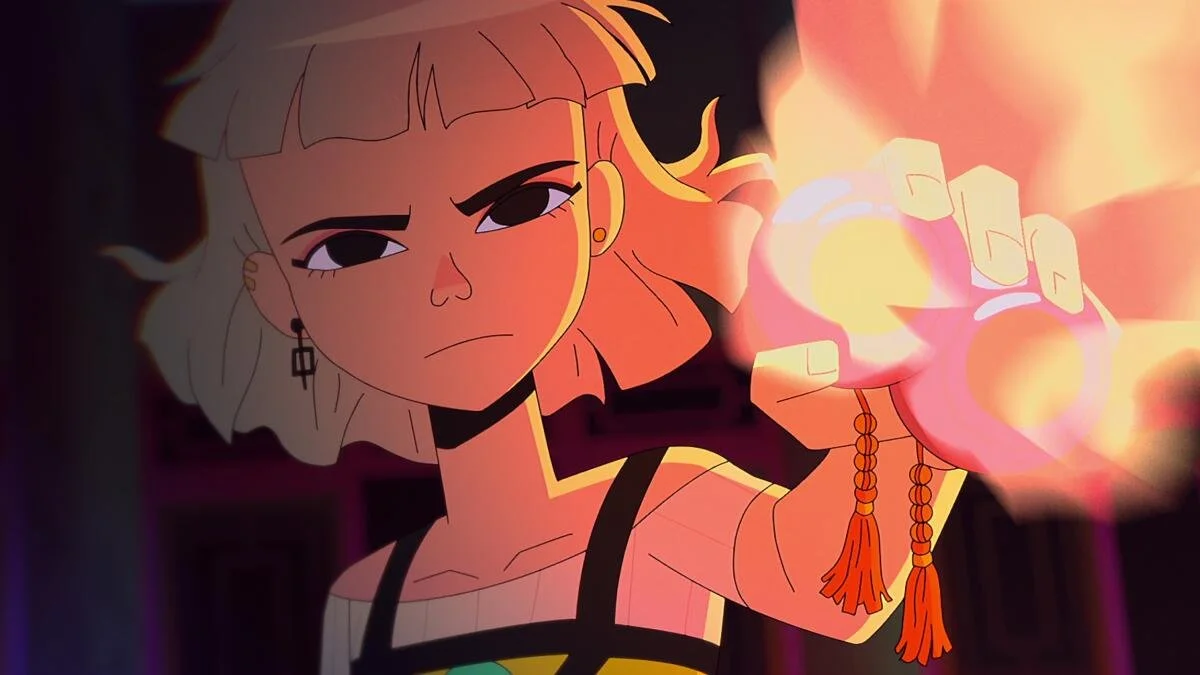
In the West, death is a specter at the end of a long, winding road. Death is an inevitability with each reluctant step forward. In Eastern philosophy, death is part of a cycle. Death is a figure that walks with you throughout life’s journey. Neither a friend nor a foe, death is simply a companion.
Jentry Chau vs. the Underworld shows its audience that death isn't so linear with an endpoint that actions are carried beyond death. Jentry’s parents’ past sins and Gugu’s own, are all reverberated into Jentry’s life. The ghosts have their own unfinished business that Jentry has to face.
Animation has gifted viewers with different perspectives on death. Everyone has a deathly companion that is joined at the hip until the end. That’s not a scary thing. We all die one way or another. It shouldn’t be the reason to live in constant fear. Haunted Hotel shows us to cherish each relationship we have because death can turn it upside down in a heartbeat. Jentry Chau vs. the Underworld shows us that choices made in the moment can have an impact that lasts beyond the scope of the individual.
Watch and support these shows!
Haunted Hotel (2025)
Netflix
Directed by Matt Roller
Jentry Chau vs The Underworld (2024)
Netflix
Directed by Echo Wu
