Sandy Lam: A Theatre Director Making Waves with Her Play “bloom”
Written by Shelby Schulz | February 12, 2026
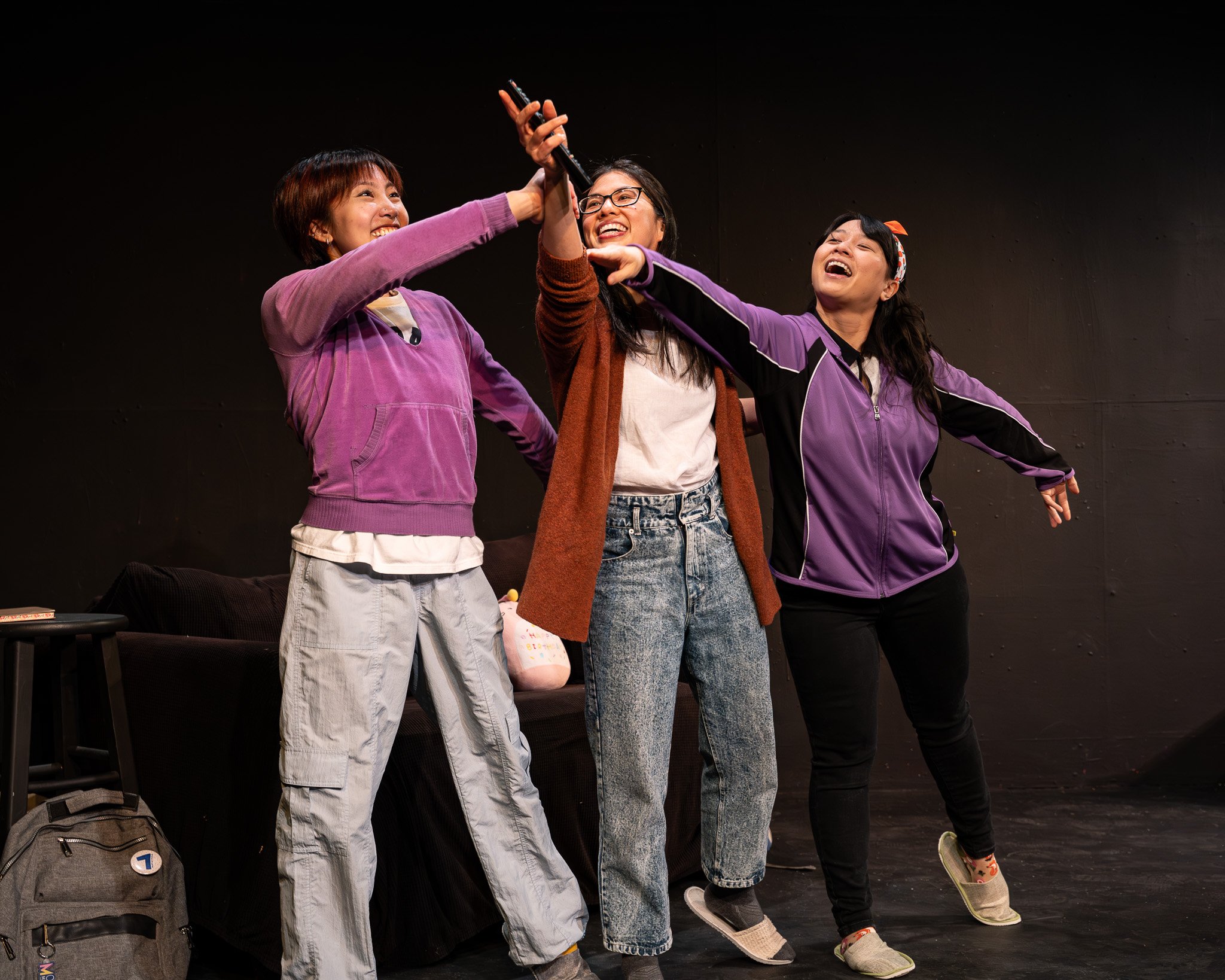
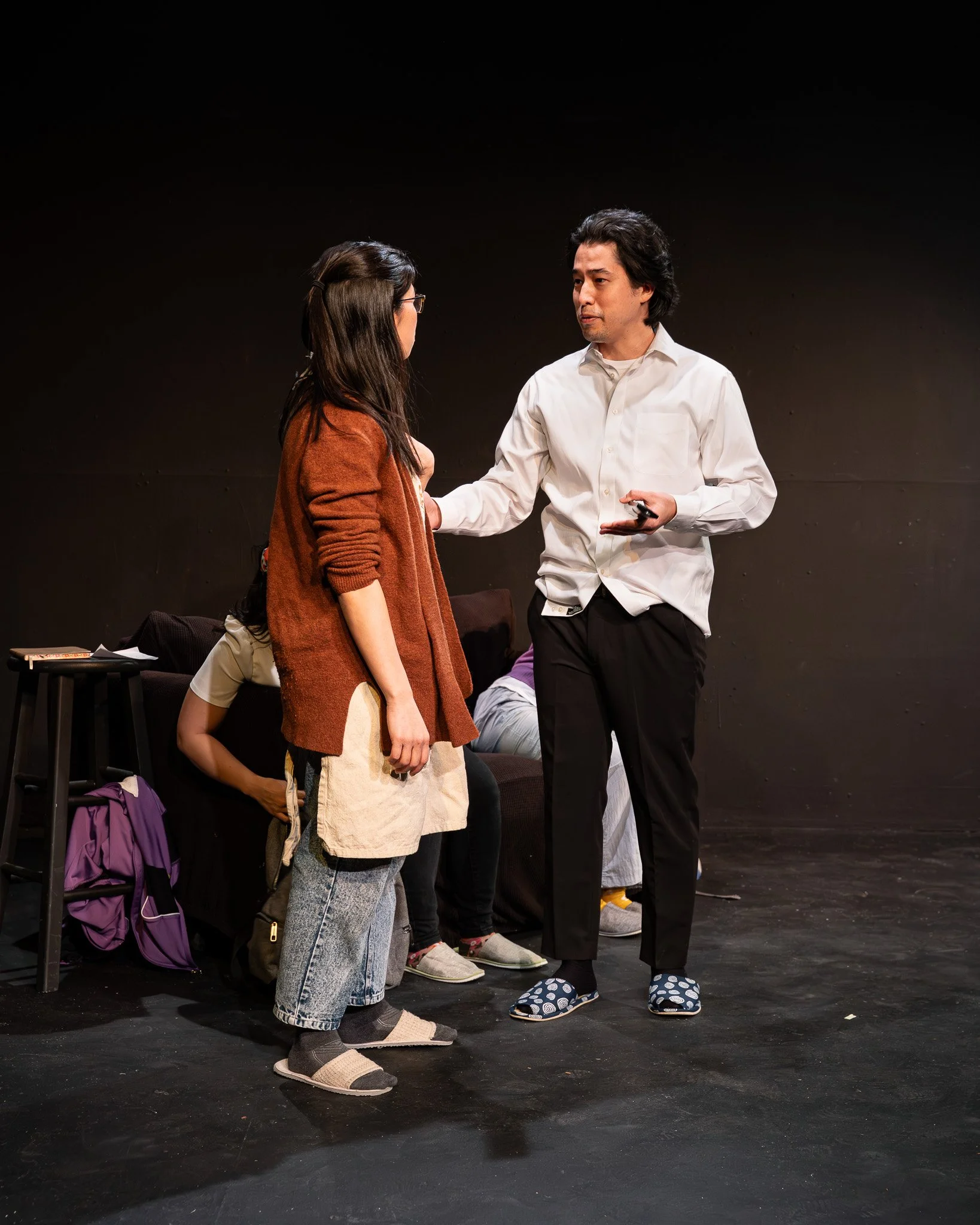
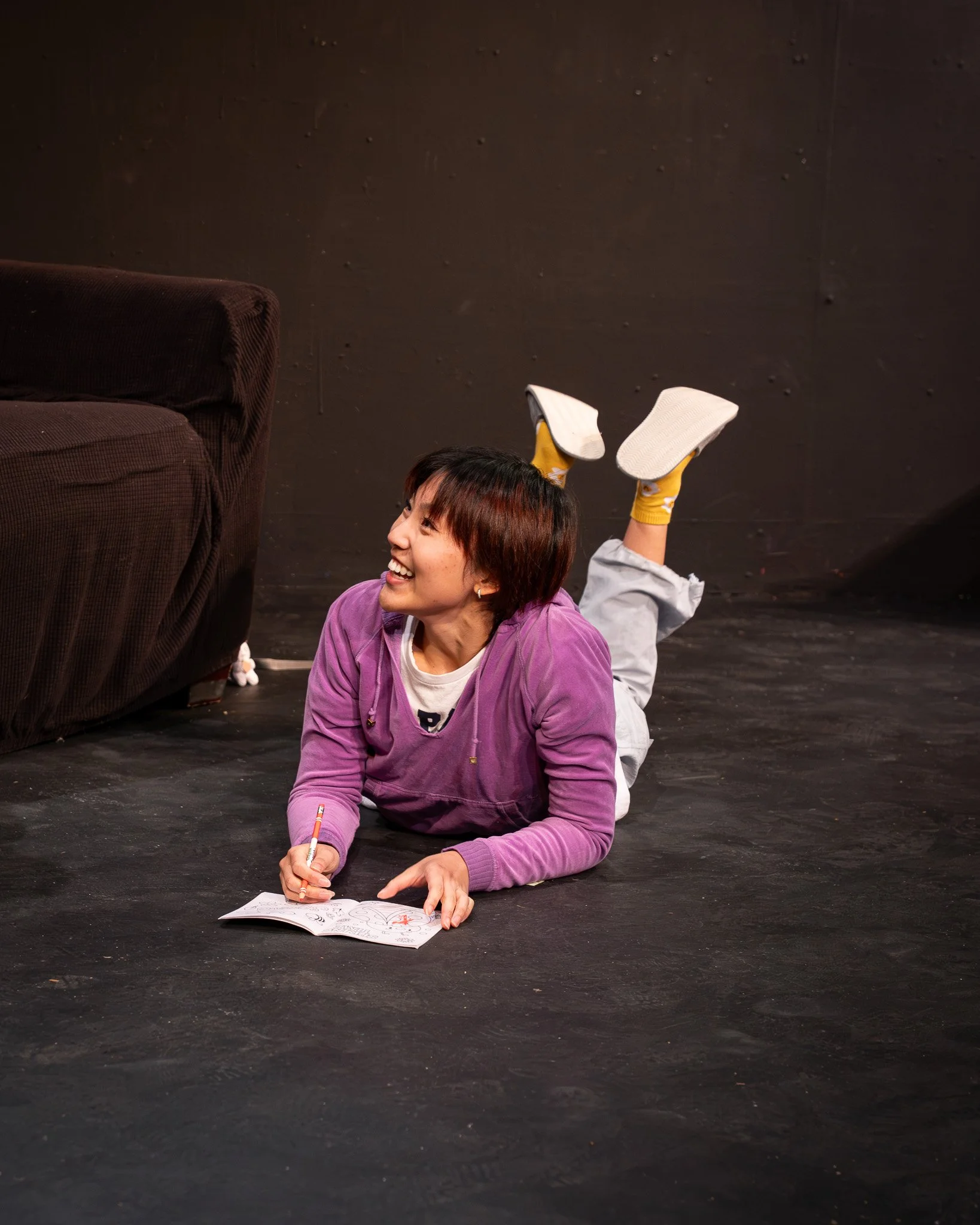
“bloom” is a production that follows the Tsang family using music, dance, and devising to explore intergenerational trauma, healing and growth. At the end of January, select scenes from “bloom” were performed as a part of FronteraFest, a five week long festival that features theatrical performances of all kinds.
Throughout the week there were short performances and on Saturday the best of each night were selected by audience members to perform again. “bloom” was one of the performances chosen to be featured again as part of the “best of the week” showcase.
After the event, Nopality was able to get quotes from some of the cast and crew, as well as Sandy Lam (“bloom’s creator”) about the making of the play and what it was like to be a part of the production.
(Note: Responses have been edited for clarity)
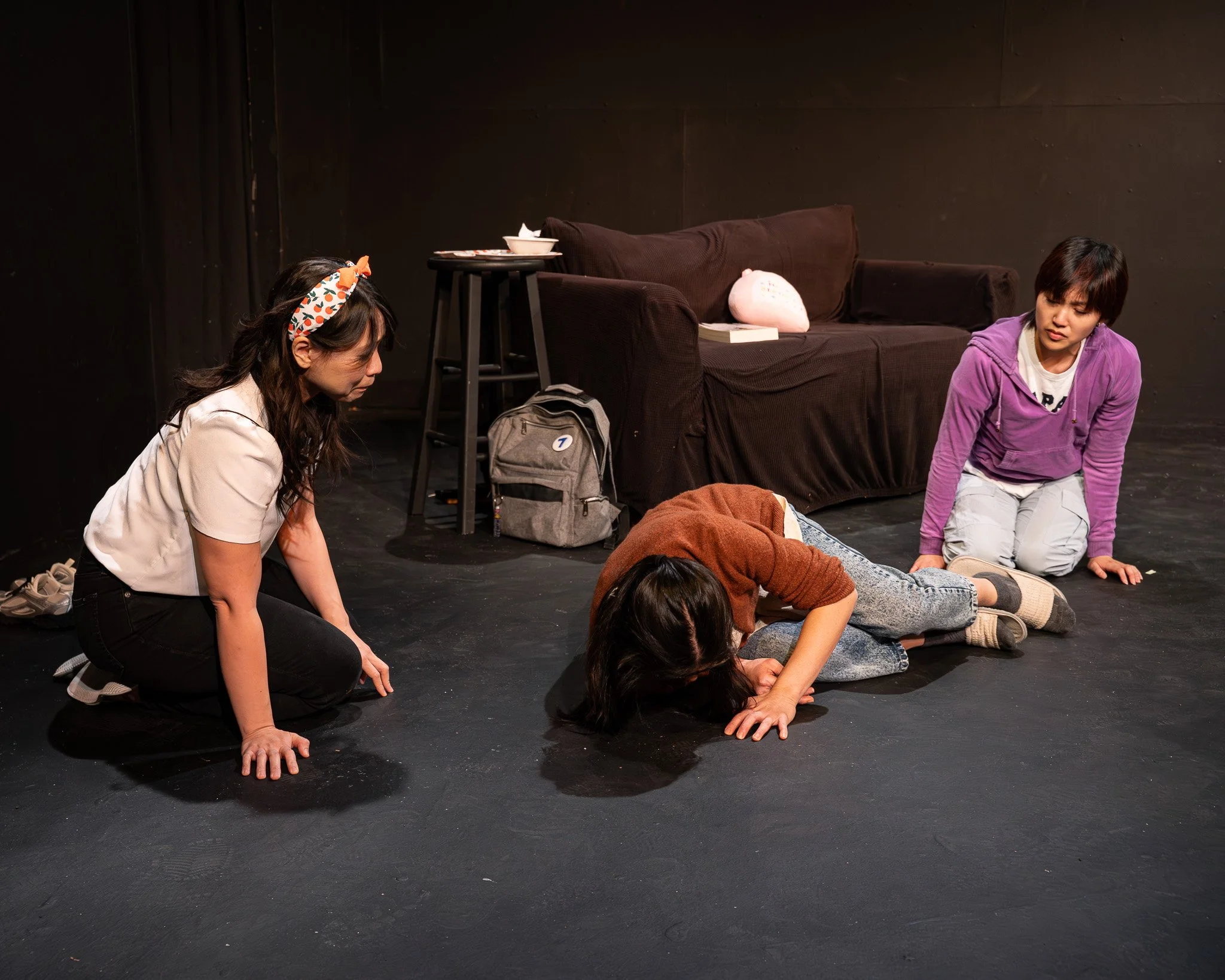
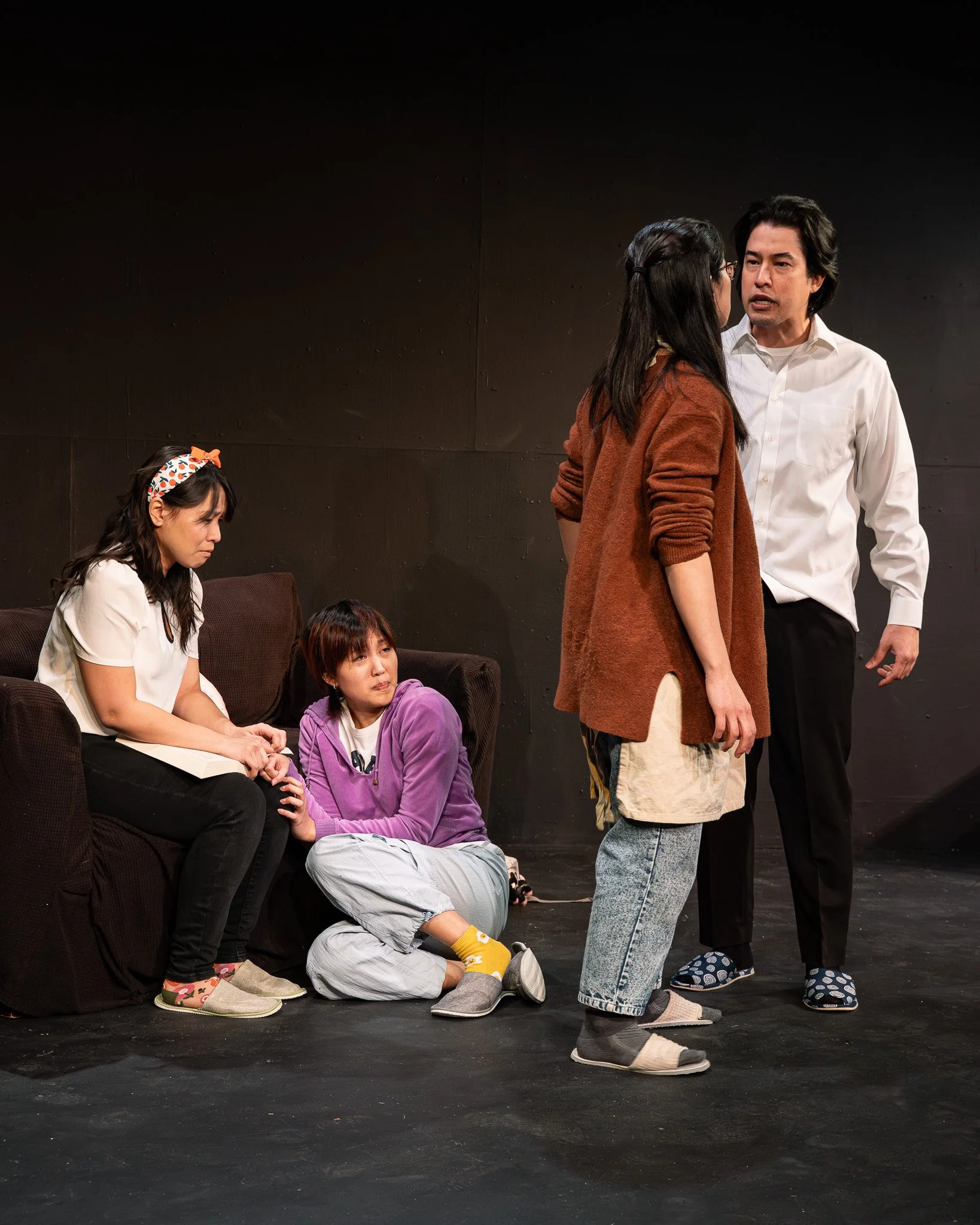
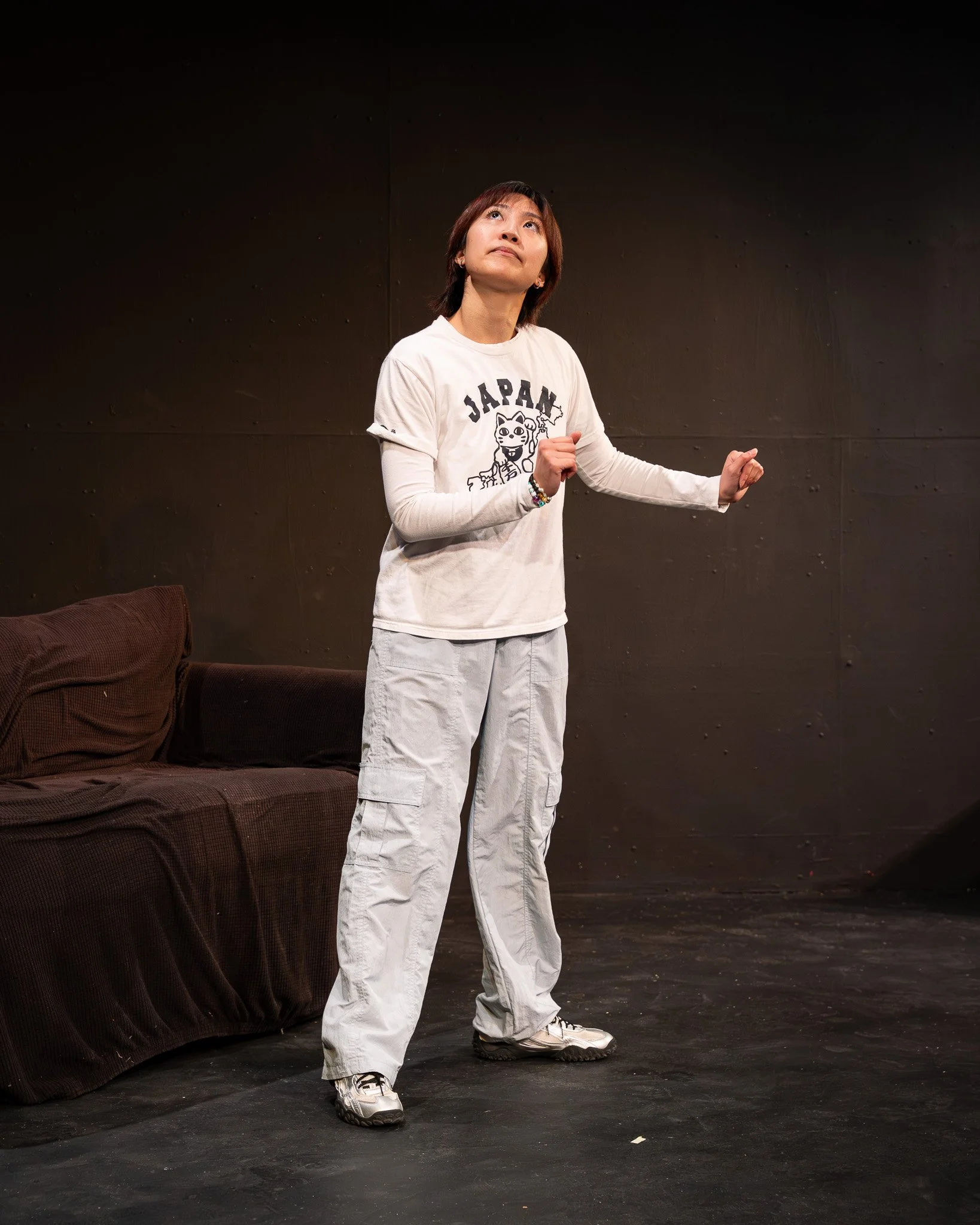
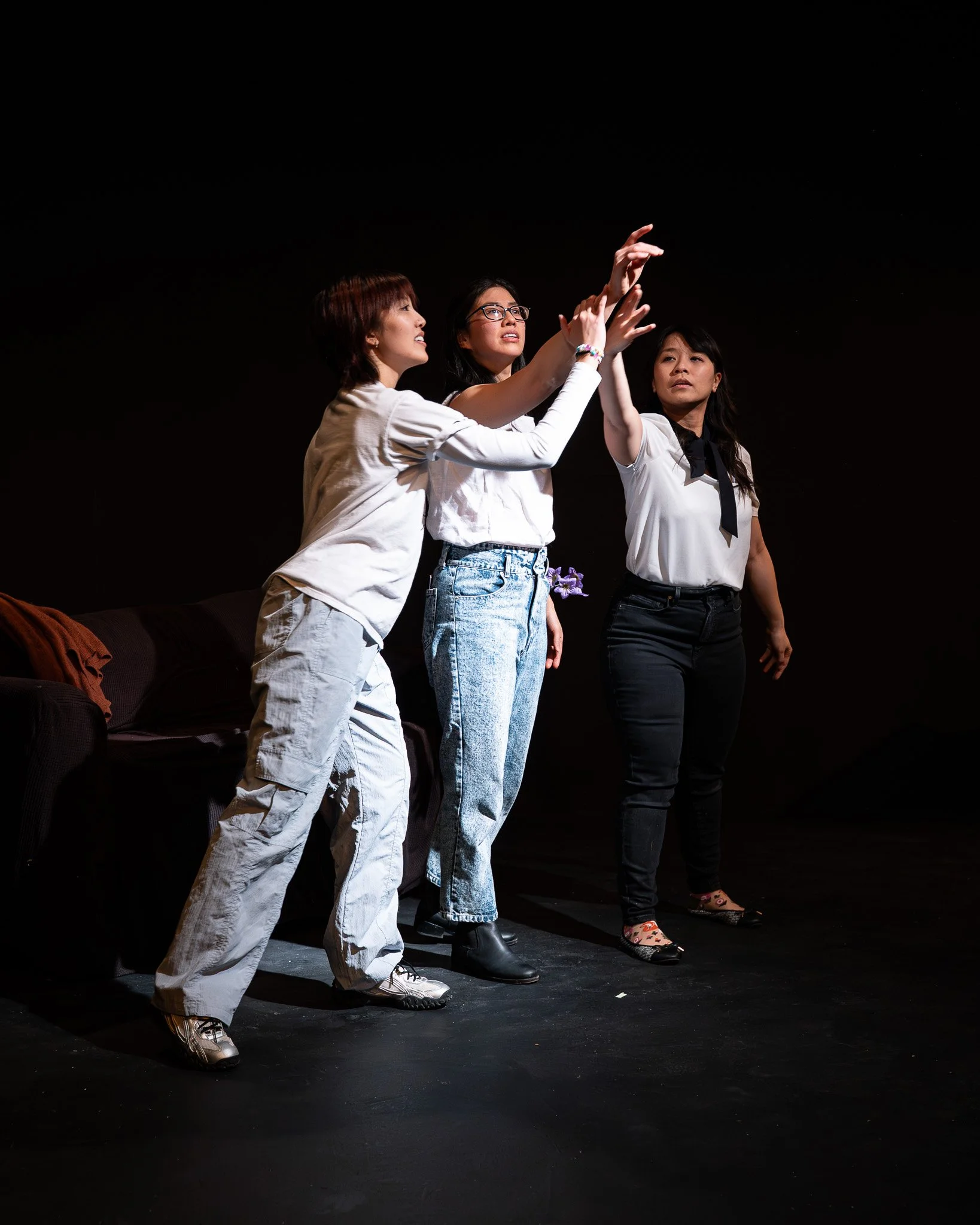
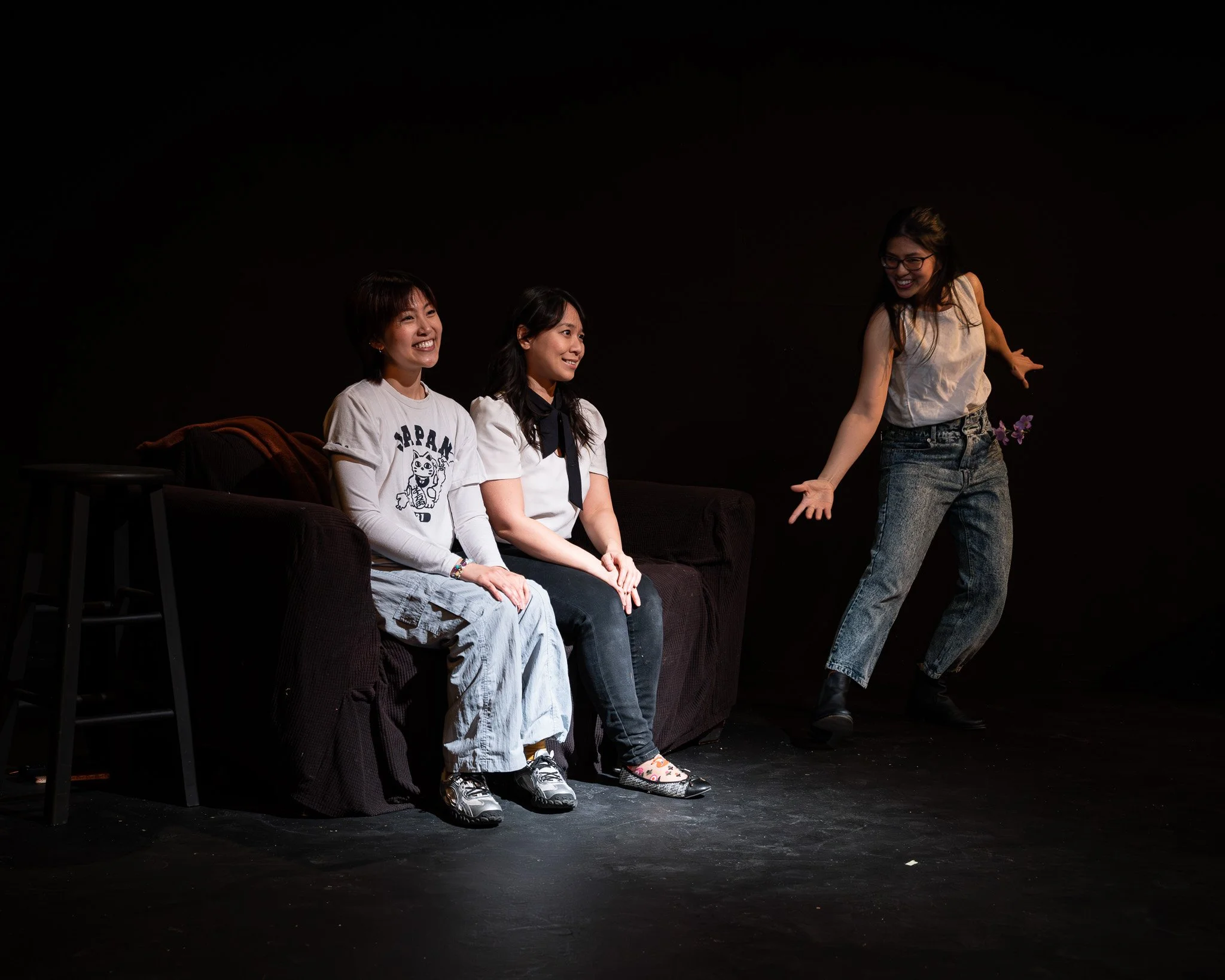
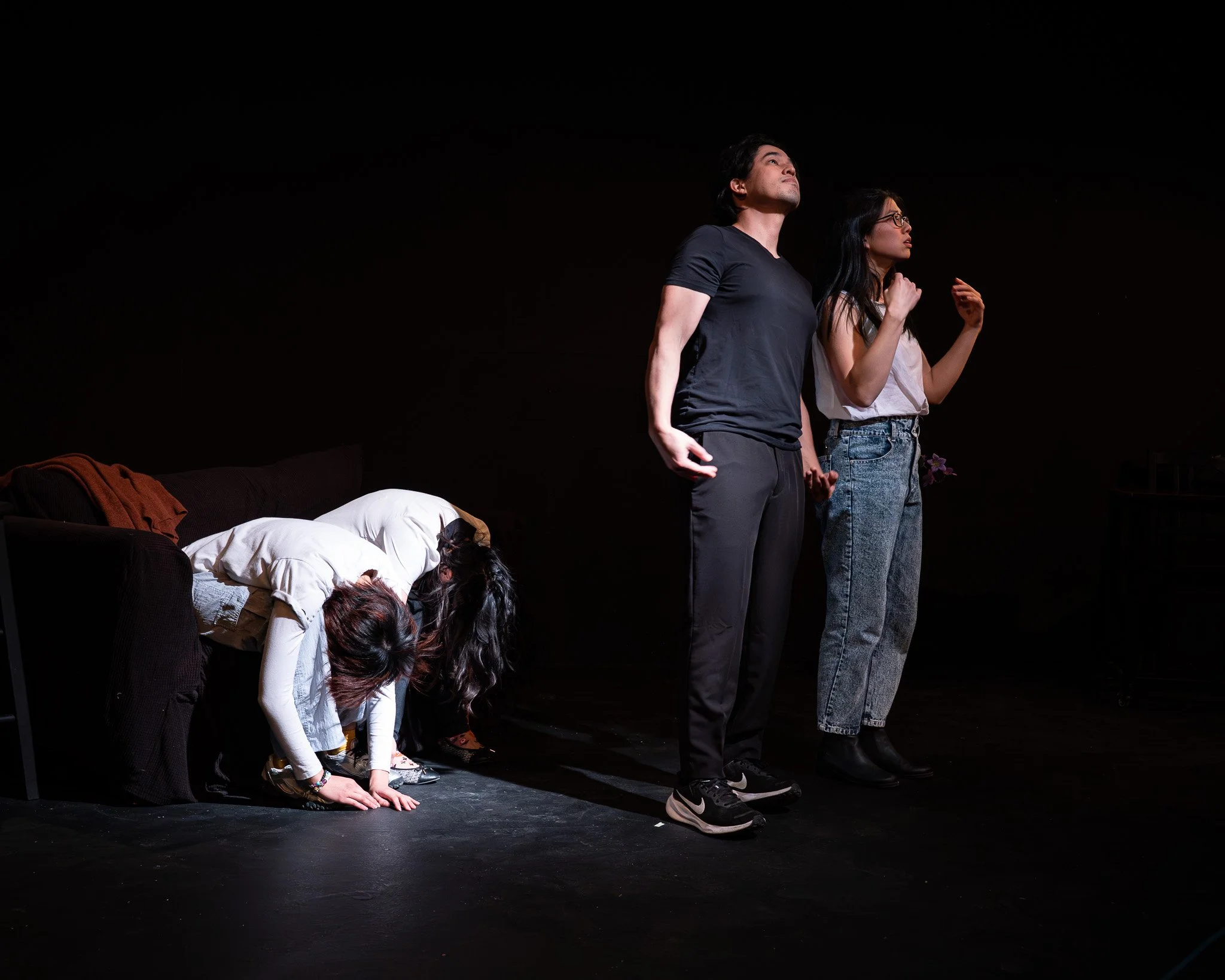
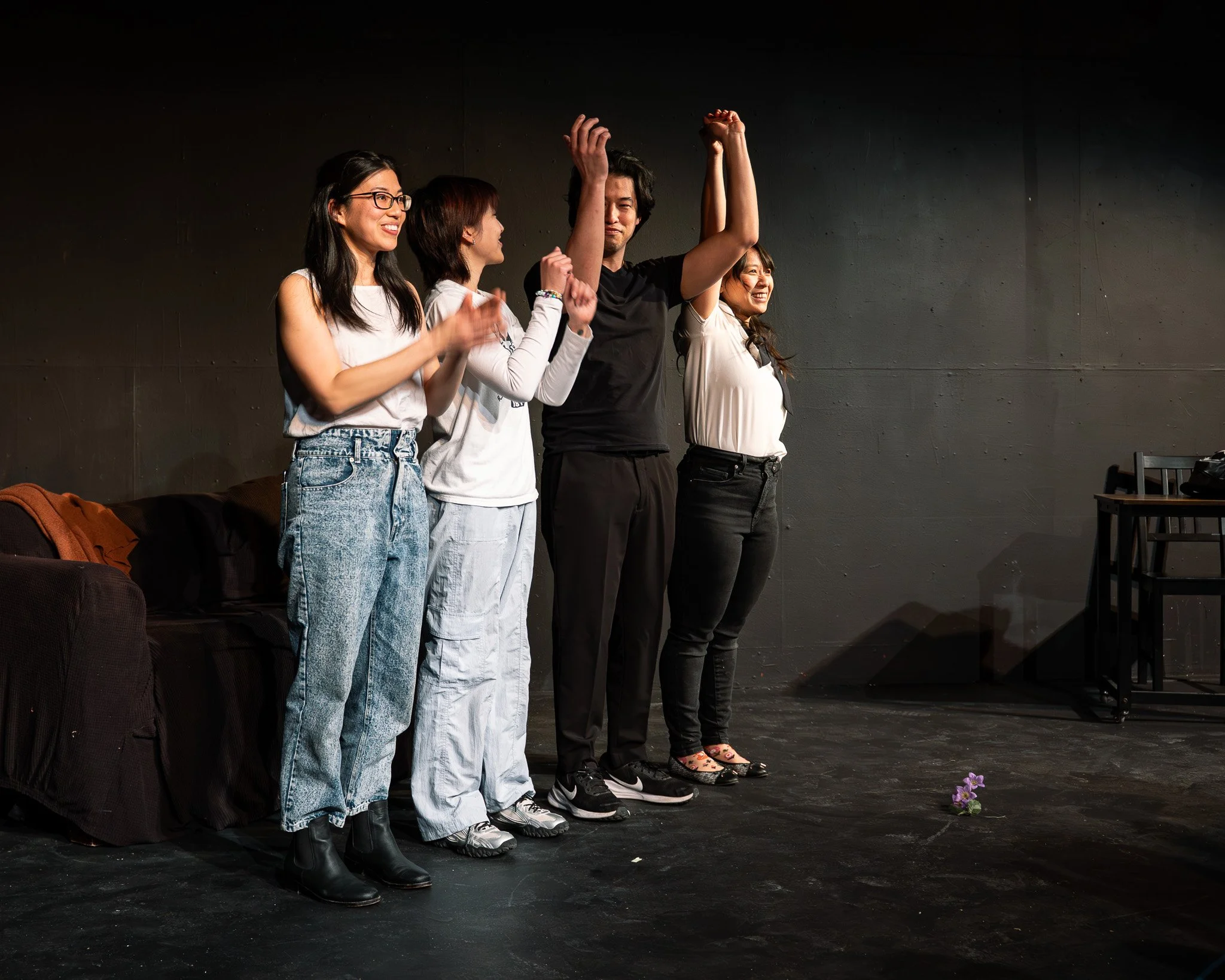
Photos by Shelby Schulz
Questions for Sandy Lam:
Q: How did you come up with the name “bloom” and how does it relate to the messages expressed in the production?
Lam: I initially started writing “bloom” out of a place of anger and hurt, though I didn’t realize it at first. I was spending a lot of time thinking about how unfair it was that because my family experienced great trauma, I then inherited great trauma, and I didn’t know what to do with all that pain. I wanted to prove how this kind of harm, though invisible and hard to trace, was real.
But as I kept writing, I became less interested in intergenerational trauma and more interested in intergenerational healing. I wanted something better for the characters in “bloom” than what I had experienced. My anger transformed into grief transformed into a wish. That’s where the title comes from. That despite everything that has happened to us, despite everything that is still happening to us, we can still bloom forward. It’s a bittersweet kind of hope.
Q: What were the inspirations behind the creation of “bloom?”
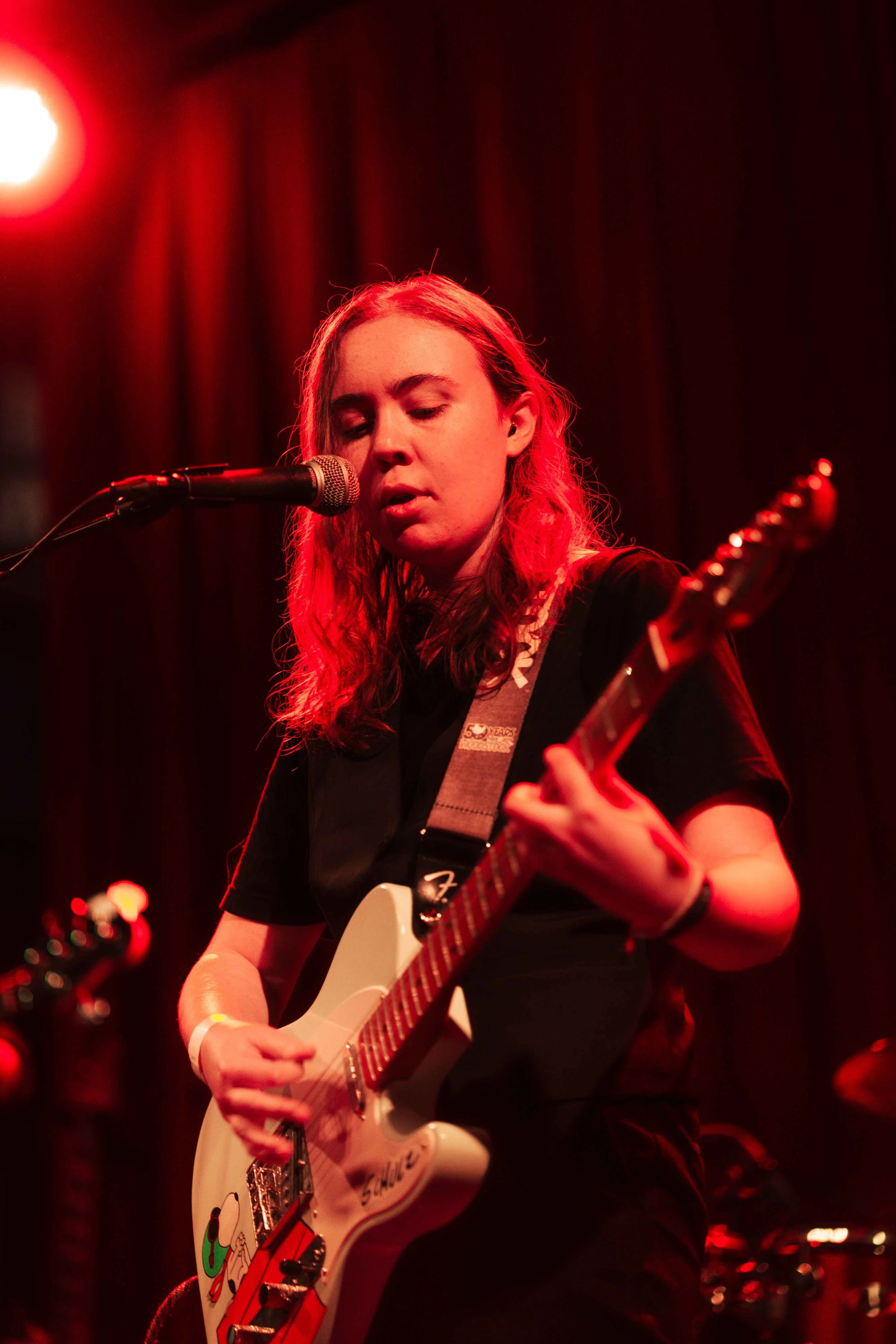
Lam: Music is a big theme in “bloom”. The two siblings in the Tsang family, Aster and Violet, bond over their love of an imaginary boy band called INFINITY7. This is inspired by me growing up during the 90s boy band era and being an ARMY, a BTS fan.
I was inspired to incorporate dance in “bloom” after attending promqueen’s second annual prom, the launch party for her second album. As I was watching her dance on stage, I had a sudden brain blast: What if the characters actually dance during the play? I also drew inspiration from Margot Robbie dancing to Diamonds Are A Girl’s Best Friend in Birds of Prey (Directed by an Asian American woman, Cathy Yan! The film also explores recovering from abusive relationships).
Devising is a collaboration between the directors and the performers. I thought it could be interesting to bring devising and dance together and to allow the actors to create their own language for the story. All the dance pieces you’ll see in “bloom” were created by the actors and crew together, with guidance from our movement coach ANGELINA (who is also a cast member)!
Q: How did you end up collaborating with mHart and deciding to feature music created by promqueen in this production?
Lam: I just sent an email to mHart and promqueen asking if I could use their music, and they said yes! When I was searching for music that fit with the scenes we picked for Frontera Fest, I was called to white rabbit and roulette by promqueen. I’ve been a longtime promqueen fan, and I previously worked with promqueen on her Một Câu Một Nửa project: a Vietnamese American dinner conversation that was filmed and screened as a documentary. The ultimate goal is to have completely original music written for “bloom” but that is a work in progress.
Q: What are some ways that the Austin Asian American Community contributed to this production behind the scenes?
Lam: “bloom” has essentially been raised by the Austin Asian American community around me. The community, as well as its supportive allies, have collaborated with me as creatives, collaborators, and consultants, and more. I purposefully consulted with survivors, and with people who work with survivors, throughout writing “bloom” to keep myself accountable to writing about their experience as respectfully and authentically as I could.
For Frontera Fest specifically, we incorporated community in a few different ways. For scene 2, we asked friends and family to send recordings of them speaking Chinese and Vietnamese. These recordings were used to simulate Lily’s longing and nostalgia for home. Additionally, through generous donations from the community, we were able to pay for resources, spaces, and artist stipends. People not only donated money, they also donated labor or supplies.
Photos by Shelby Schulz
Q: How important is this play to yourself, and to the Texas Asian community in general?
Lam: It’s very rare to see Asian American theatre at all in Austin, much less Asian American theatre that is fueled by a cast and crew that is fully Asian American. During rehearsals, in a room full of Asian American storytellers, it never felt like we were professional colleagues. It felt like being at home. We were able to build strong trust among the team which is necessary when creating a show that covers heavy topics.
With “bloom”, I am also attempting to tell a kind of story that chooses not to explain itself. We are not doing the work of translating our cultural, political, social experiences as Asian Americans. Everyone can sit and wait and watch us take off our shoes before we enter the house. Because when you are centering your audience and that audience loves and understands you, you don’t need to explain yourself.
Q: What are your plans after Frontera Fest? Will you be taking “bloom” anywhere else?
Lam: My dream is to produce a full stage production of “bloom” some day. After Frontera Fest, my focus for the remainder of 2026 will be writing the original music for “bloom” and revising the script. And then maybe in 2027 I can start thinking about fundraising and staffing for a full production.
Questions for the Cast and Crew:
Q: Introduce yourself and your role within “bloom” for our readers.
Casie Luong: I am a musician, actress, and community organizer in Austin, TX and love working with other amazing creatives in Austin! I play Lily, the mother.
Maudlin Vo: I play the role of Aster, the older daughter in the Tsang family.
Adelina Sun: I’m a producer for “bloom.”
Q: Do you feel you can relate to the characters you are performing as?
Casie: Yes and no. I am not a mother myself and I have not been in the types of harmful scenarios that Lily has been in. On the other hand, I relate to her value of protection and looking out for those she loves as well as the habit of setting aside one's own needs to support others even to their own detriment.
Vo: I myself am the eldest child of a Viet American family with parents who immigrated after the Vietnam War, and I identify with the struggles that eldest daughters face as their families work to acclimate and find stable financial footing. Often, eldest daughters in immigrant families become parentified and feel pressured to forgo art and creativity for practical skills and careers to help with creating a stronger foundation for the family as a whole.
Q: What has been your favorite experience being a part of “bloom?”
Casie: Getting to perform Sandy’s work is such an honor and a favorite of mine is creating choreography along with the other actors.
Vo: Working on “bloom” with such a kind and talented cast and crew has been healing. Like Aster, I was denied opportunities for music and dance growing up, so with the “bloom” production, I struggled with dancing. I ended up signing up for drop-in ballet classes, which made a big difference in how I hold myself on stage. I now regularly do Pilates for increased body awareness and mobility. It's been life-changing to embrace movement, thanks to “bloom”.
Sun: I’ve never been a part of a play before, so I really enjoyed the creative collaboration and getting to see how this production came to life — especially in how Sandy directed, how all the actors learned how to embody their characters, and how they all worked together to create something really meaningful (especially, the scene two choreography, which is my favorite part and gets me every time!).
Q: Are there any challenges you faced during rehearsals and preparing for the performance and how did you go about overcoming those?
Casie: I have other projects going on concurrently so I always wished there was more time for me to work on the script. I try to be as present when we have rehearsals to support myself, the actors and crew and cherish the time I get to work on the script!
Sun: I first got involved with “bloom” last summer, when Sandy offered to have me produce a table read for the play. The biggest challenge for me was just learning how to be a producer as this was my first time — for the table read and for an actual stage production — but I had a lot of fun with it.
Q: There is a video on YouTube where some of you are reading a scene from “bloom” for the nonprofit ASPIRE. For those of you who have been a part of this project since that video 3 years ago, how has the production evolved?
Luong: The characters have evolved so much as well as the story arc. There is more depth in how each character relates to one another and grow and shrink in their own ways. It's been such a joy to witness and be part of!
Q: What does being a part of “bloom” mean to you?
Luong: It's supporting my fellow AAPI peers in creating a story bigger than ourselves. It's collaboration and trusting even when we don't know the choreo. It has meant family. I absolutely love everyone on stage and off stage.
Kim: For me, being a part of “bloom” for all these years has been a real honor. I took part in the Zoom read that Sandy organized in 2022. Since then it's been fun to see how the project has evolved! It feels good knowing that AAPI artists and creatives are producing quality work in Austin and bringing it forth to diverse audiences.
Vo: I often think about lotuses and their symbolism, across cultures and religions, of beauty that grows from muddy waters. Some scenes in “bloom” are real to my life and others especially in immigrant communities, and “bloom” shows that we are more than the tragedies we experience. However, “bloom” also conveys that these family dynamics are shaped by larger systemic factors such as low wages and unaffordable housing. Maybe one day we won't have to assign the term "resilient" to communities that have to work much harder with fewer resources to simply exist.
Sun: Some of the cast alluded to this, but it means that I’m contributing to something bigger, building connections, and supporting creatives that are doing work that I believe in. I love that this is a piece that’s grounded in a community that I value so much, and that it tells a story not just about intergenerational trauma, but intergenerational healing. Even if people don’t have the exact same experiences as the Tsang family, I think there are pieces that everyone can relate to and understand.
Q: How do you feel being a part of “bloom” has helped you reach your goals?
Luong: I get to immerse myself in a story bigger than me and be part of an experience that isn't my normal everyday life and that's truly the joy as a storyteller for me.
Vo: I love that I have grown closer to a community that uses art to heal, and my inner child is grateful for allowing her to dance like nobody's watching.
Sun: For so long, I was afraid of trying new things because of the fear of failure, but in recent years, I have tried to be really intentional about challenging myself, especially with my creative projects. I’ve been interested in producing for some time, so this gave me an opportunity to try it out and I’m grateful to Sandy for trusting me. I also want to tell more stories that are meaningful, and expand my connection to the Asian American creative community, and I couldn’t have asked for a better project to do that on. I like to think we all bloomed in some way with this project.
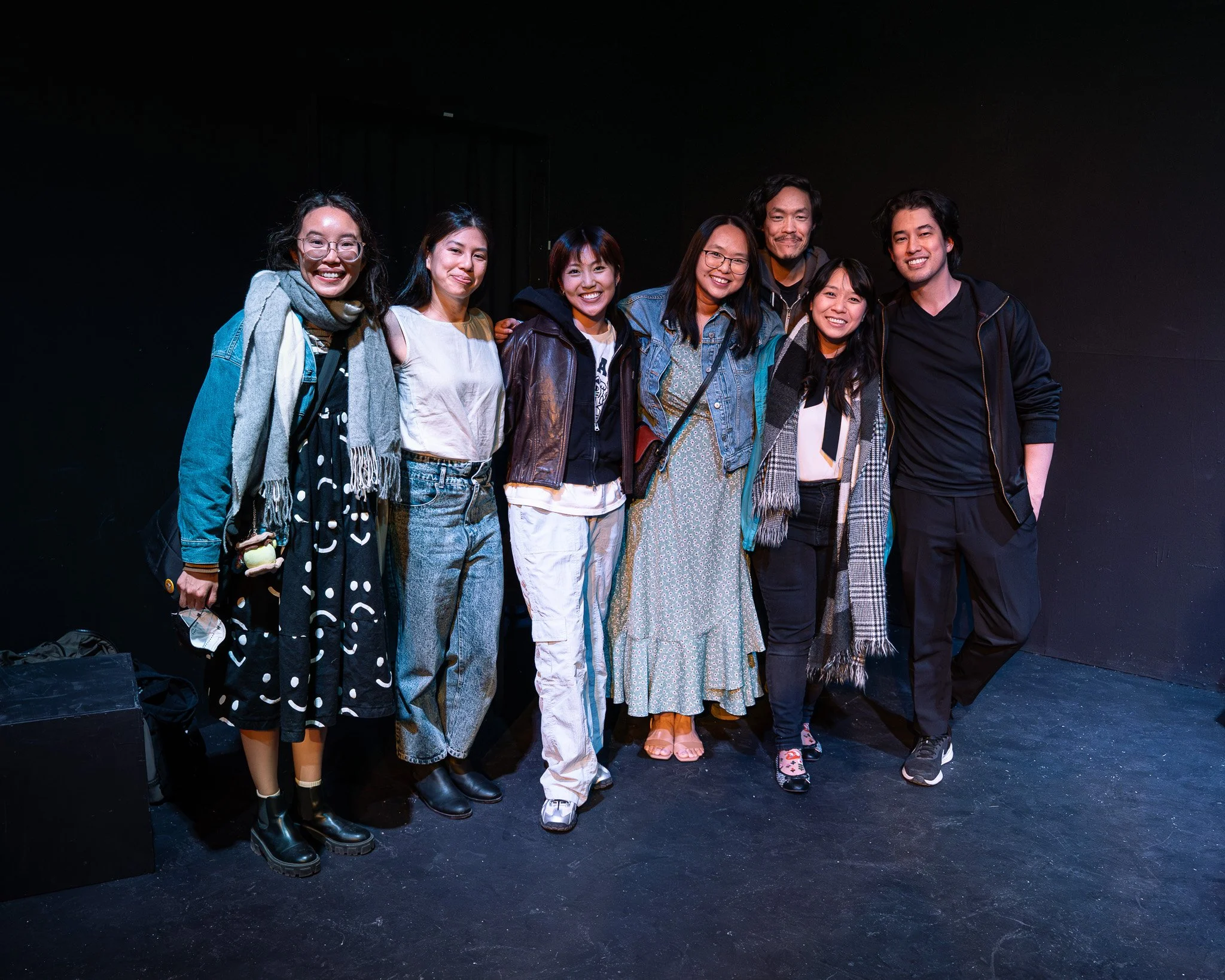
Photos by Shelby Schulz
Support Sandy Lam and “bloom”!
There is a call for collaborators for anyone who may be interested in helping turn “bloom” into a full stage production!
https://forms.gle/WLCy348zaUwdaJmk8
As a part of the Director’s Rising Program for emerging directors, Ground Floor Theatre invited Sandy Lam to direct “Yellow Face” by David Henry Hwang. Tickets are pay what you can and the show goes up starting February 12th!
https://www.groundfloortheatre.org/face
Sandy Lam
Instagram: @soundlysandy
Website: sandylam.carrd.co
“bloom”
Instagram: @bloomtheplay