10 Traditional Crafts Across Asia
Written by Vi-Linh Nguyen | March 16, 2026
With analogue coming back in full swing this year due to digital exhaustion and mitigating phone addiction, here are some crafts traditional, artisanal Asian crafts to inspire you.
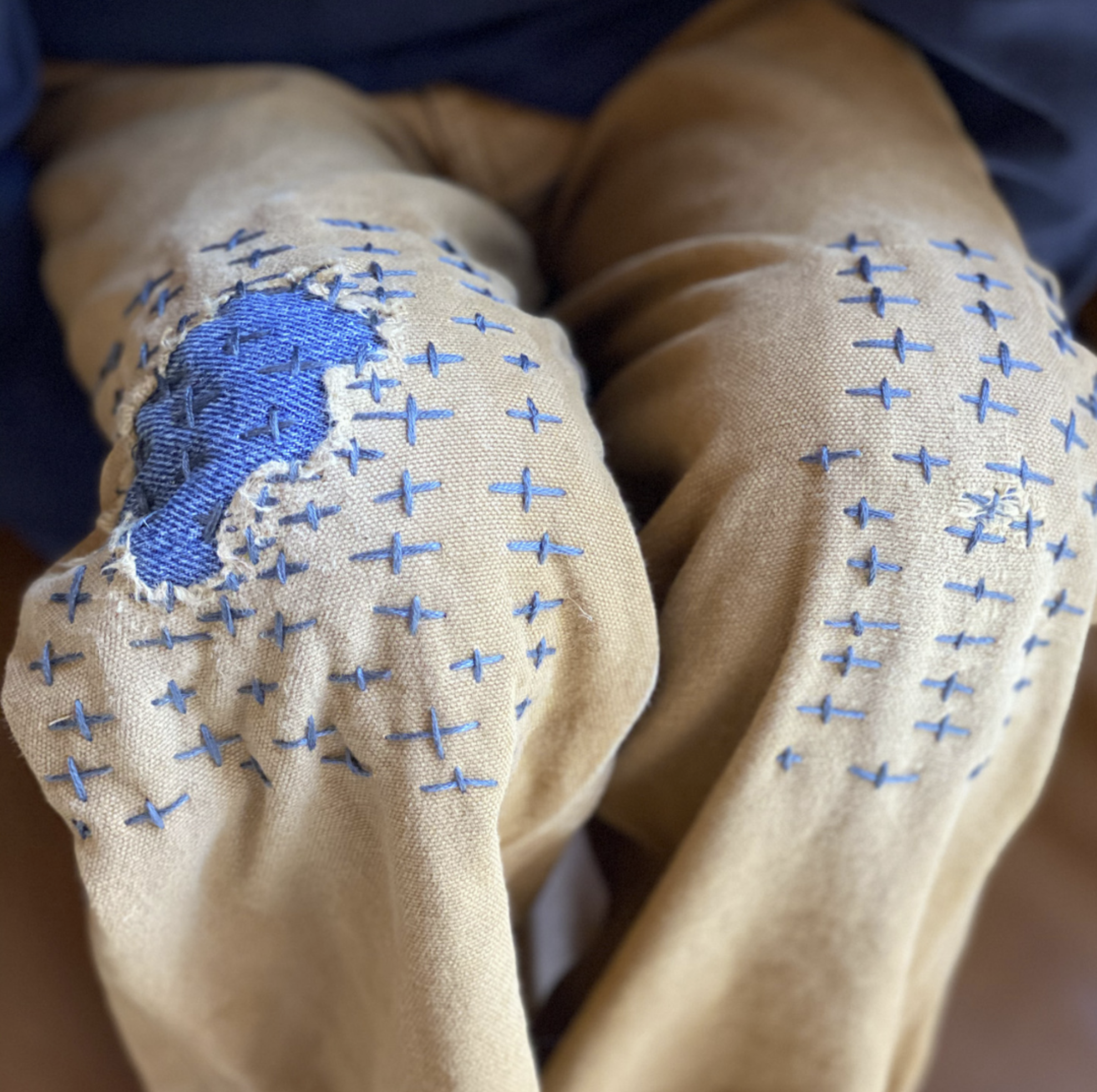
Japan: Sashiko Stitching
This is an embroidery technique often used to mend worn clothes into intricate designs and patterns. Historically, sashiko started as a way to survive Northern Japan’s harsh winters. Class divisions were obvious back in feudal times, so the working class Japanese had to get creative to make sure their clothes would survive for years to come. The beautiful patterns that would come out of those efforts show that the creative spirit endures despite hardships. These days, it's a popular way to up-cycle clothes to both extend their lifespan and breathe new life into them and prevent more fashion waste from landfills.
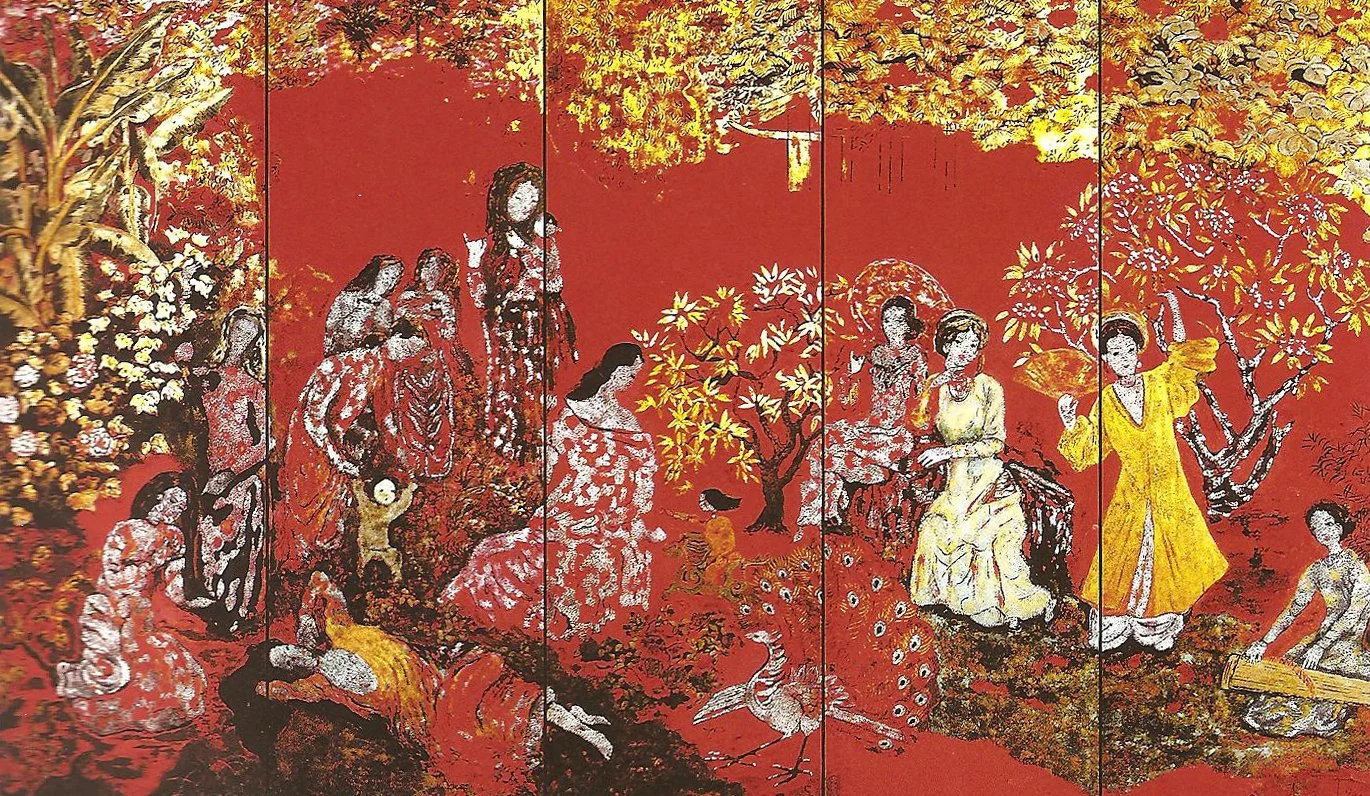
Vietnam: Sơn Mài
Sơn Mài is a traditional lacquer painting technique that uses the resin from the sơn tree, native to the Phú Thọ province of Vietnam. Techniques used to achieve the uniquely intricate look combined French and local artisanal techniques. My parents’ home has a piece that decorates their kitchen. The lacquer is painted on dark wood, the piece has a tranquility to it that ties a room together in a subtle way.
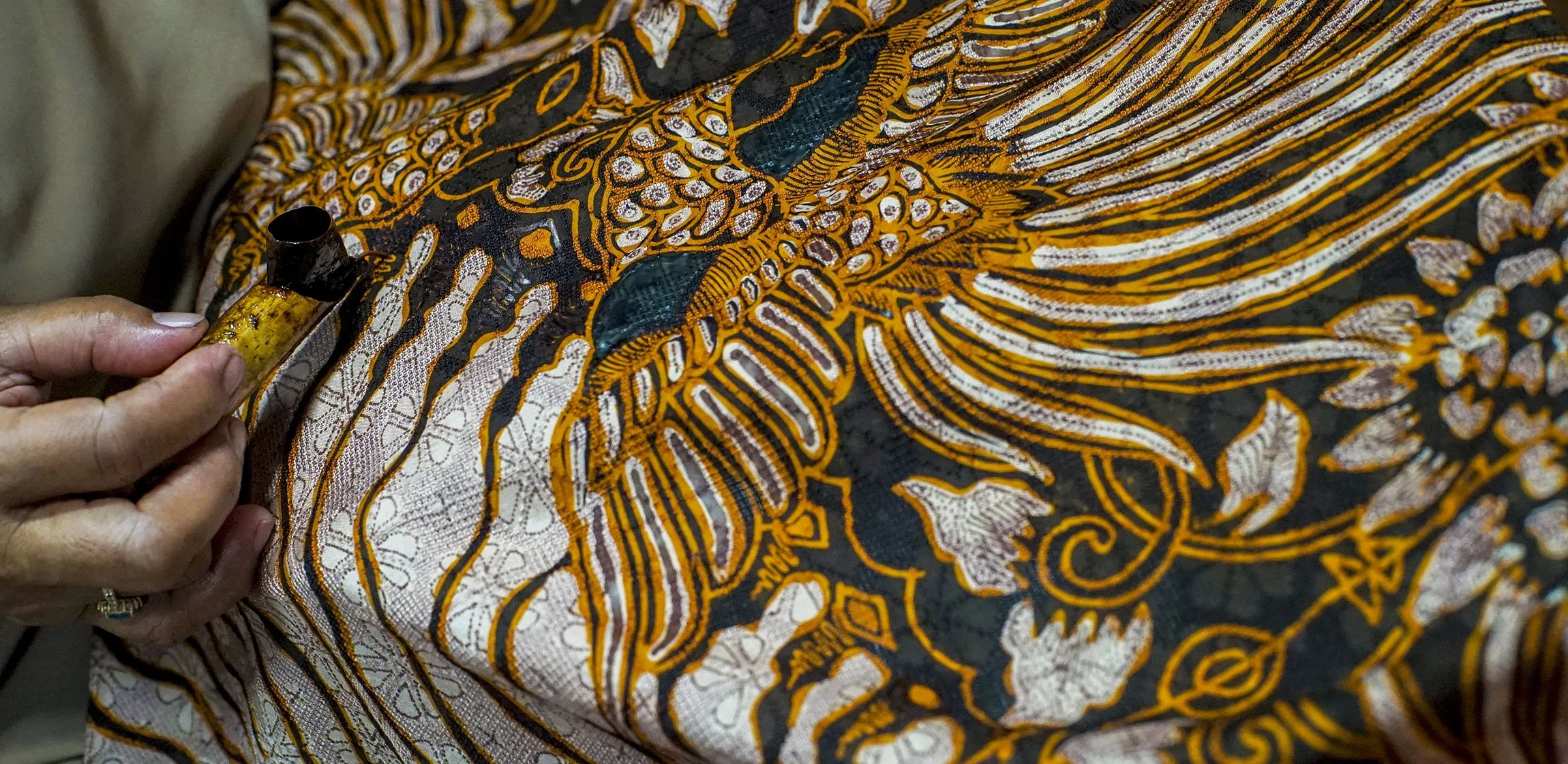
Malaysia: Batik
Batik is a historic wax-resist textile tradition that spans back centuries. According to tangankraf.com, the name comes from Javanese words that both mean “to create little dots”and drawing or painting. Malaysian batik is done by drawing detailed patterns with hot wax, often inspired by nature. The wax blocks color absorption. After the dyeing process, the wax melts away showing off the patterns in a high but beautiful contrast. Modern batik cloth has been made into everything from button down shirts to tops and kurtis. It’s important to note the design differences between the batik of different countries though, like between Malaysia and Indonesia. Malaysian Batik tends to go for more vibrant and flamboyant colors.
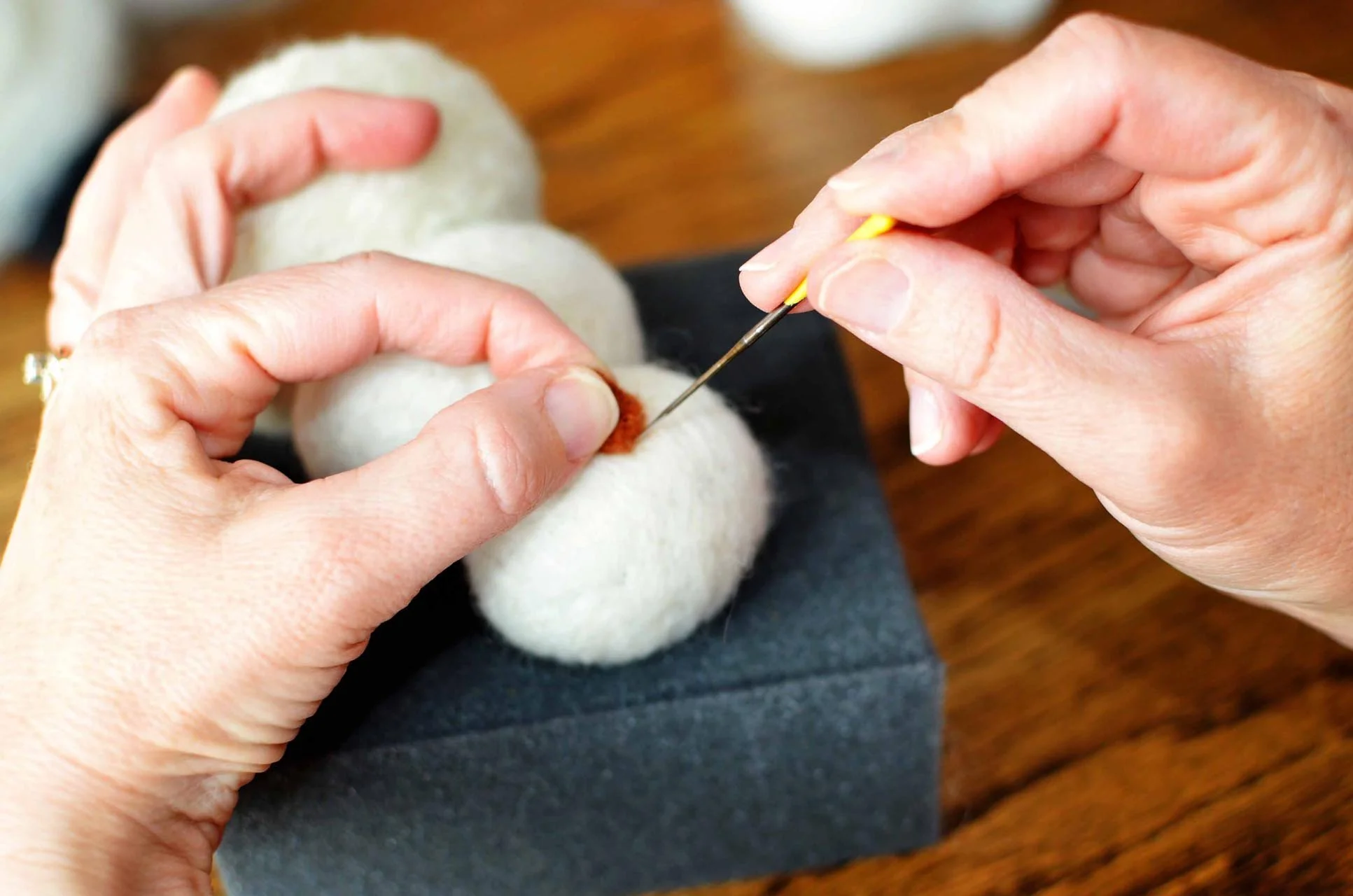
Kazakhstan: Felting
This style of felting, common among the nomadic Kazakh and Kyrgys people of the region, has been used to make syrmaks among many other things. A syrmak is a handmade colorful felt floor and wall covering made to insulate the nomadic dwelling. These had elaborate mosaic stitching incorporated into each piece in curves reminiscent of vines. Wool was abundant because Kazakh and Kyrgyz nomads would raise sheep so the supply was large. Traditional felting was a community effort, either done by an entire family or a whole village. The colors flashed in gorgeously vibrant hues against the natural landscape of Kazakhstan.
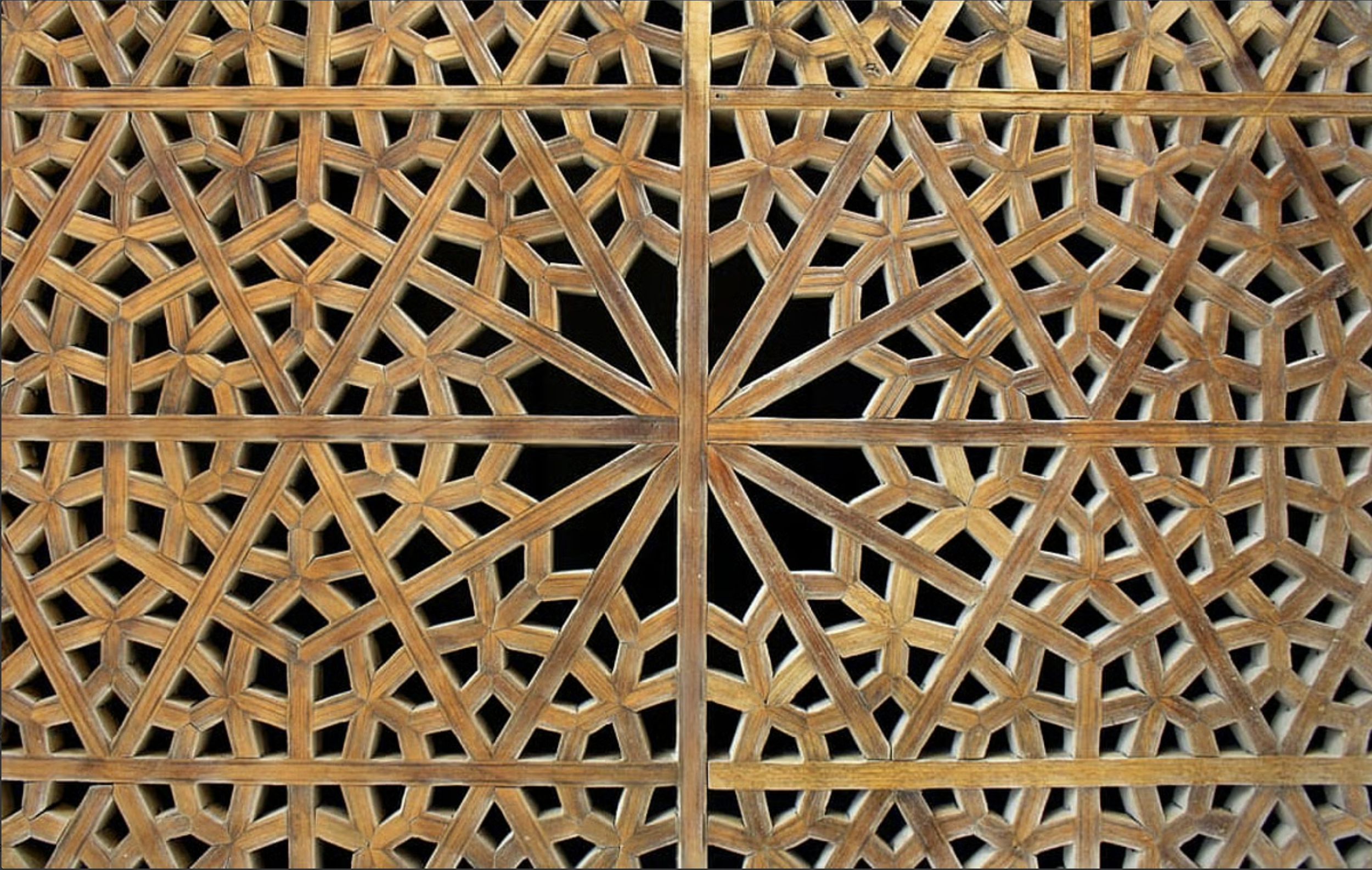
India: Pinijrakari:
This is a latticework style from the Kashmir region. Its characteristic use of elaborate geometric designs make it a unique blend of practical use and beauty that can be seen in everything from windows, doors and interiors of homes, mosques and shrines. The establishments would be wrapped in stars thanks to the Pinjirakari incorporated into them. Pinijrakari would be sometimes done with wood instead of metal but it is as labor-intensive as it is patience-testing. Because of a variety of factors though from costs to a growing lack of interests from younger generations, the art form is currently fading.
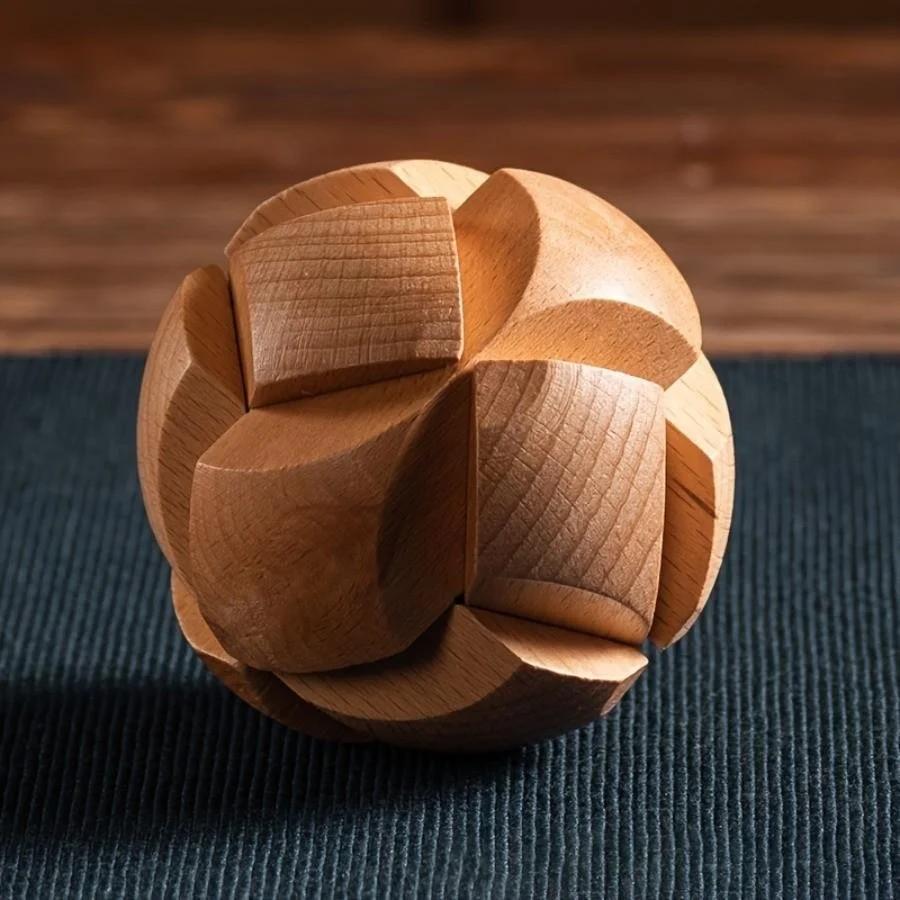
China: Kongming Lock
These puzzles are also called the Luban Lock because legend has it that the philosopher who created this puzzle used woodworking techniques from a man named Luban. There are several legends behind the origin of this educational toy though. The intricacy of this lock puzzle comes from the fact that it’s easier to disassemble it than reassemble it. The puzzle lock is an ancient creation but the modern age has brought about new and more elaborate designs to the originally, simple-looking puzzle. The Kongming lock would also make a delightful gift for any puzzle enthusiast in your life too.
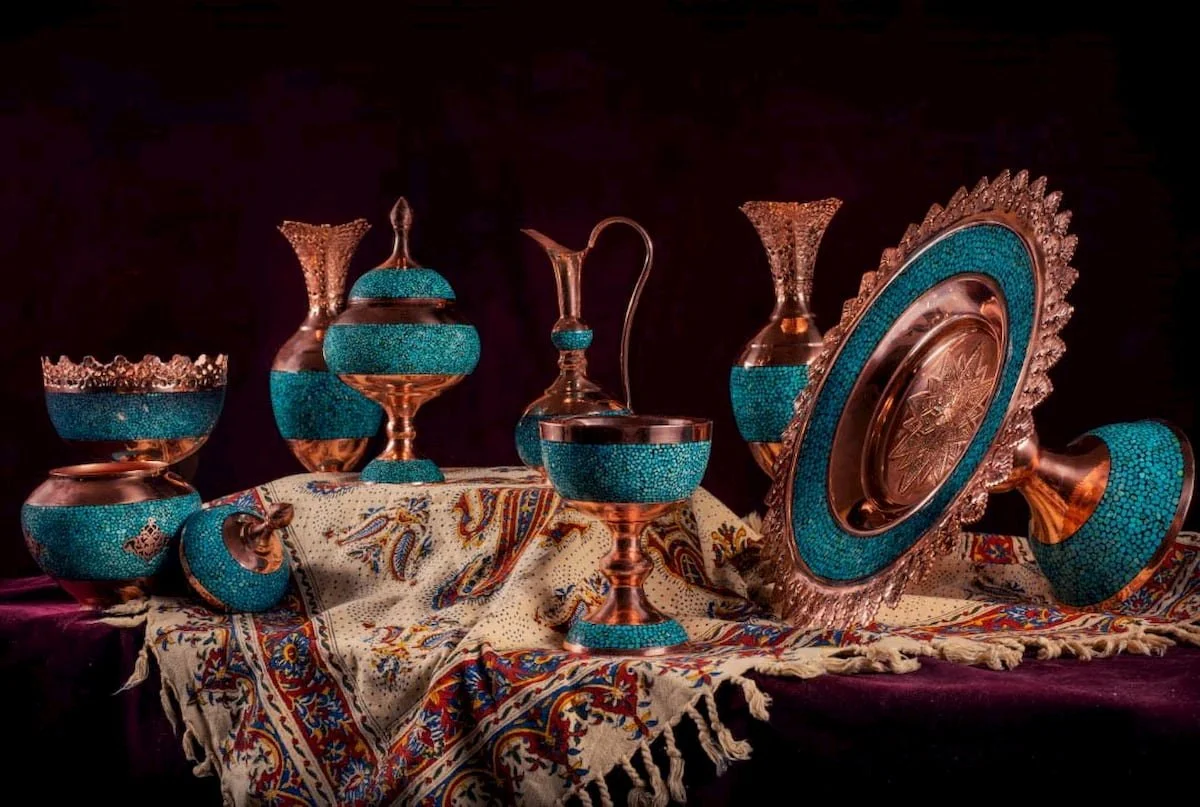
Iran: Firoozeh Koubi
Firoozeh Koubi is a style of turquoise inlaying with a short history compared to the other handicrafts on this list, as it’s only been around for around seventy years or so. But turquoise has been around Iran and coveted for thousands of years. Firoozeh Koubi involves putting small pieces of turquoise stone into a variety of metal ware, whether it’s copper, brass, silver or even gold. The turquoise’s unique color makes the mosaic design pop from the metal giving it a look unique to Iranian artisans. It’s a popular souvenir for tourists visiting the area.
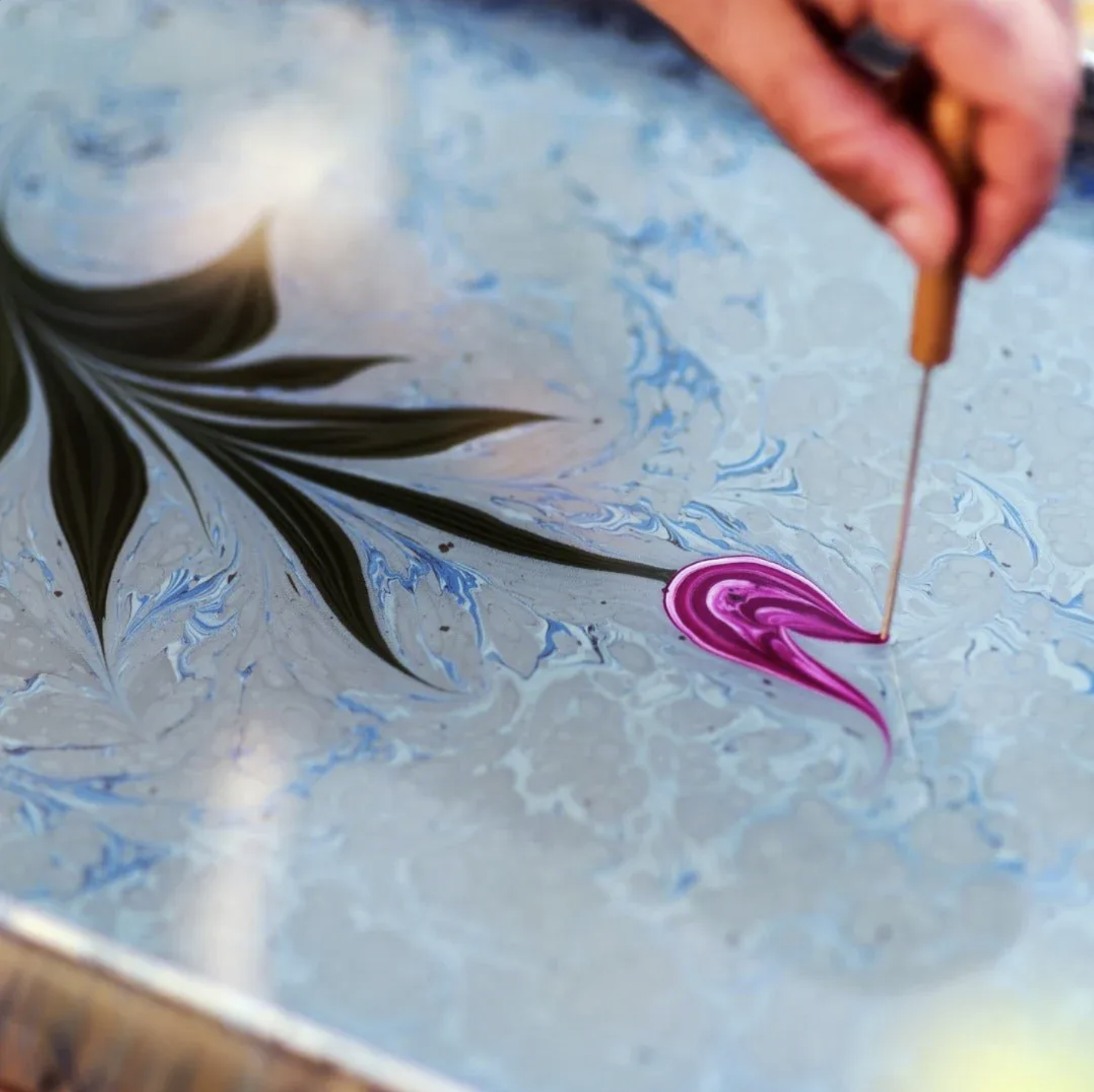
Turkiye: Ebru
This is a paper marbling technique where its intricate nature inspired designs stand apart from the more abstract Japanese suminigashi. Ebru, Turkish paper marbling can make flowers, foliage, ornamentation, latticework, mosques and moons. The process has Ebru artists creating colorful patterns on a flat pan of oily water first. Then that elaborate pattern is transferred onto paper. Ebru has been used to decorate borders of Islamic calligraphy in a gorgeous dance of brush strokes and vibrancy. San Antonio’s Raindrop foundation would hold demonstrations of Ebru during their Turkic Festivals.
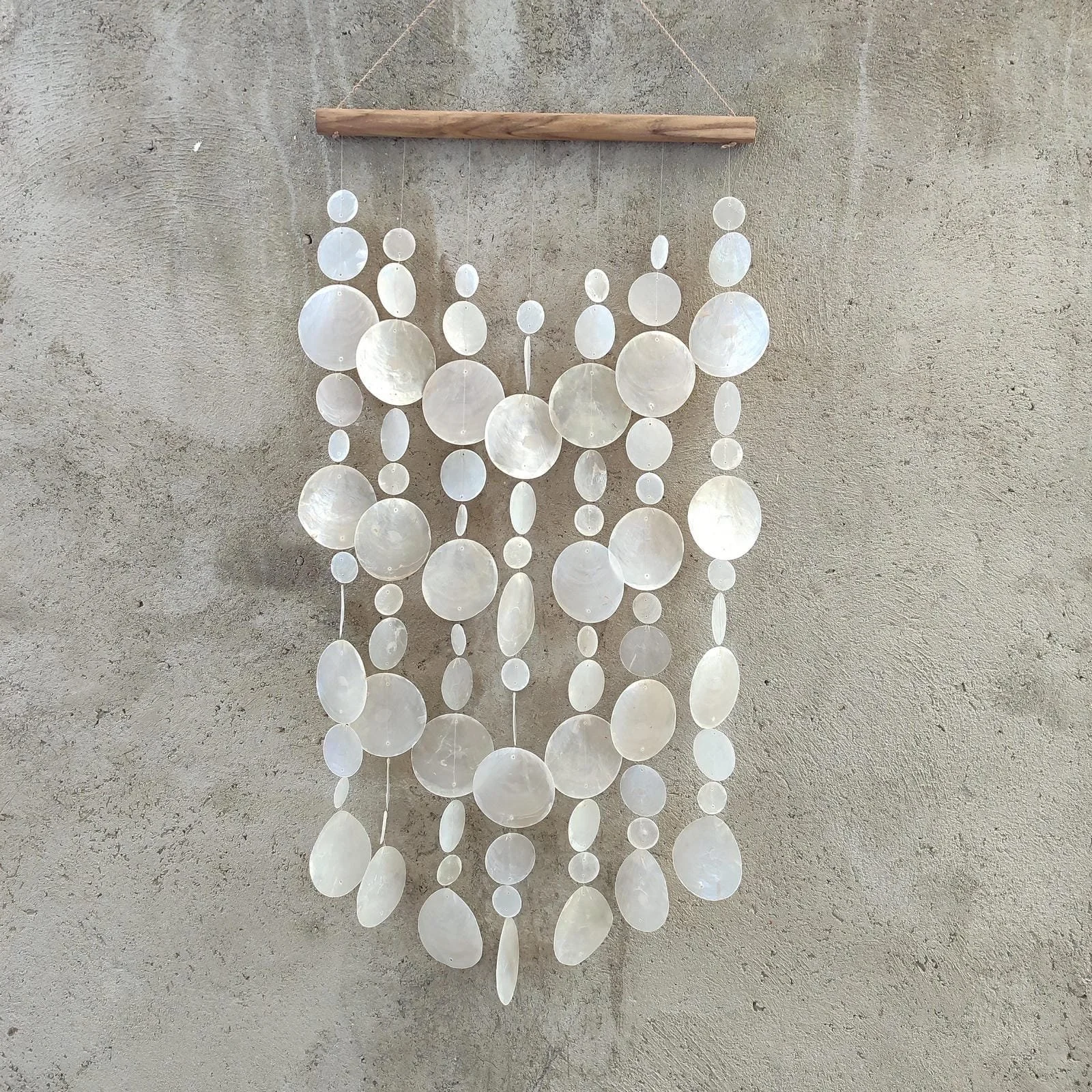
Philippines : Capiz Shell Crafts
Capiz shells are one of many natural resources found all round the Filipino archipelago but travelers can find them in high supply in the Capiz province. After harvesting and processing them, these shells get transformed into a plethora of objects from jewelry boxes to chandeliers through careful and laborious knife work. Capiz shells are versatile and come in different sizes and colors. It’s another labor-intensive craft due to the intricacy of the carving, but the art made from these humble shells are a lovely way to brighten up a space with their natural shine. The Virgen Sang Barangay Chapel is a well known display of what Capiz shells can do, to the point where locals nickname it the “seashell church”.
Thailand: Woodworking and Carving
Thai woodwork and carving is an old tradition that’s tied to the country’s Buddhist history. Wood is a plentiful material, so the use of it carved into different motifs based in faith show up everywhere. The curves reminiscent of the lotus flower show up in doors, pillars and ceremonial temples. Depictions of Buddha through wooden carving show up just as much. Thai wood carving is a demonstration of the artistic tradition that celebrates faith and nature alike.