10 Asian-made Movies You Must Watch!
Written by Kimberly Saenz | March 26, 2026
Warning: A number of the following movies address explicit themes and depict sex and violence, please caution before watching.
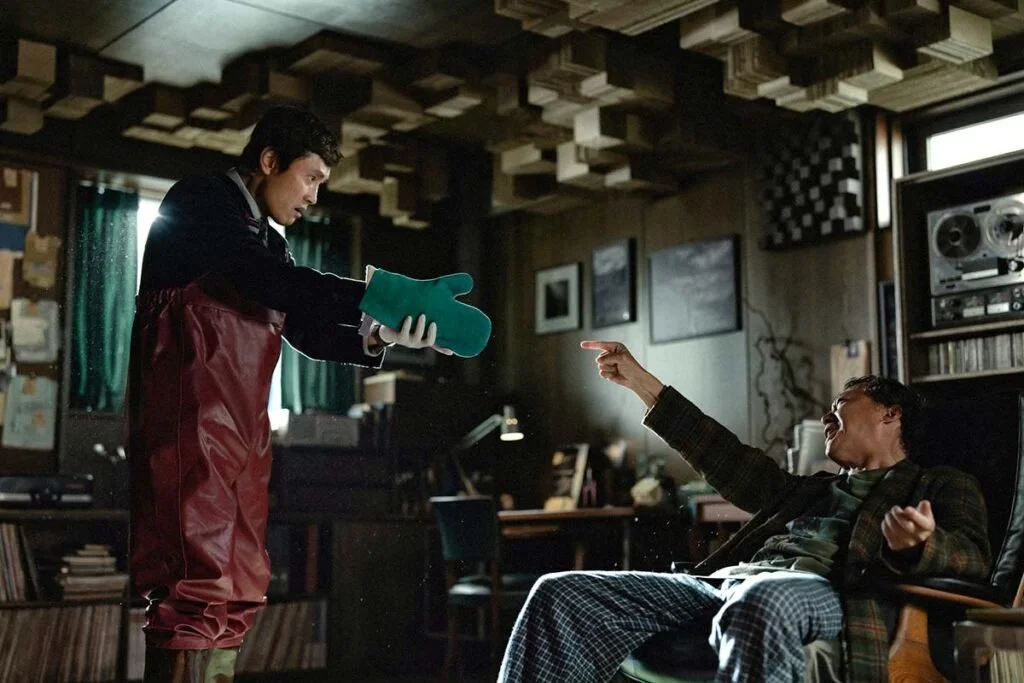
Lee Byung-hun and Lee Sung-min in still from No Other Choice (2025)
No Other Choice (2025)
“No Other Choice” is a satirical thriller by the acclaimed director Park Chan-Wook (director of “Oldboy” (2003)). Adapted from the novel “The Ax” by Donald Westlake, the film takes place in South Korea; after a man is let go from the paper company he worked for, he takes drastic measures to support his family. Dizzying camera angles and lighting match the provocative plot and its commentary on class disparity, gender-roles, technology versus physical media, and morality.
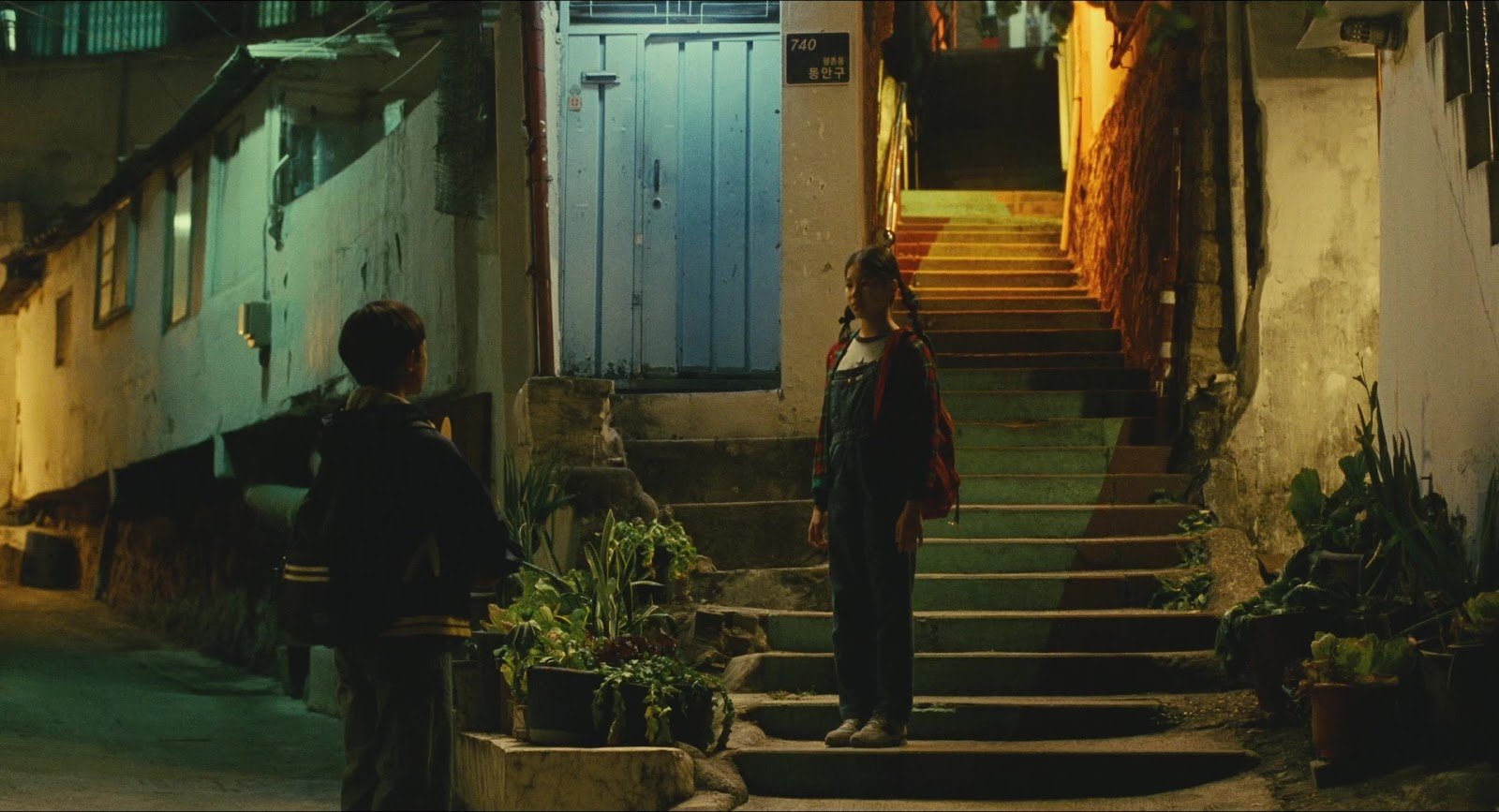
Past Lives (2023)
“Past Lives” is a South Korean American film, by director and playwright Celine Song, delineating the reconnection between two childhood friends over decades. The viewer is introduced to the Korean proverb “inyeon” or the philosophy of fated relationships across the span of past, present, and future lives. The film takes its time sharing the bittersweet experience of immigration and duality reminds the viewer that human connections and memories can be as fleeting as time.
Your Name (2016)
This is another for the romantics, and in the sea of uncomfortable watches that follow, there has to be palate cleansers. Director Makoto Shinkai transports the viewer on an adventure through time when two teenagers, who are strangers to one another, switch bodies every 24 hours. As they navigate communicating with one another, they discover that they must prevent a natural disaster in order to finally meet. “Your Name” tugs at the heart strings just as it literally tugs at the threads of fate, but beyond destiny and love, the film explores tradition versus modernity, empathy, and the ephemeral nature of time.
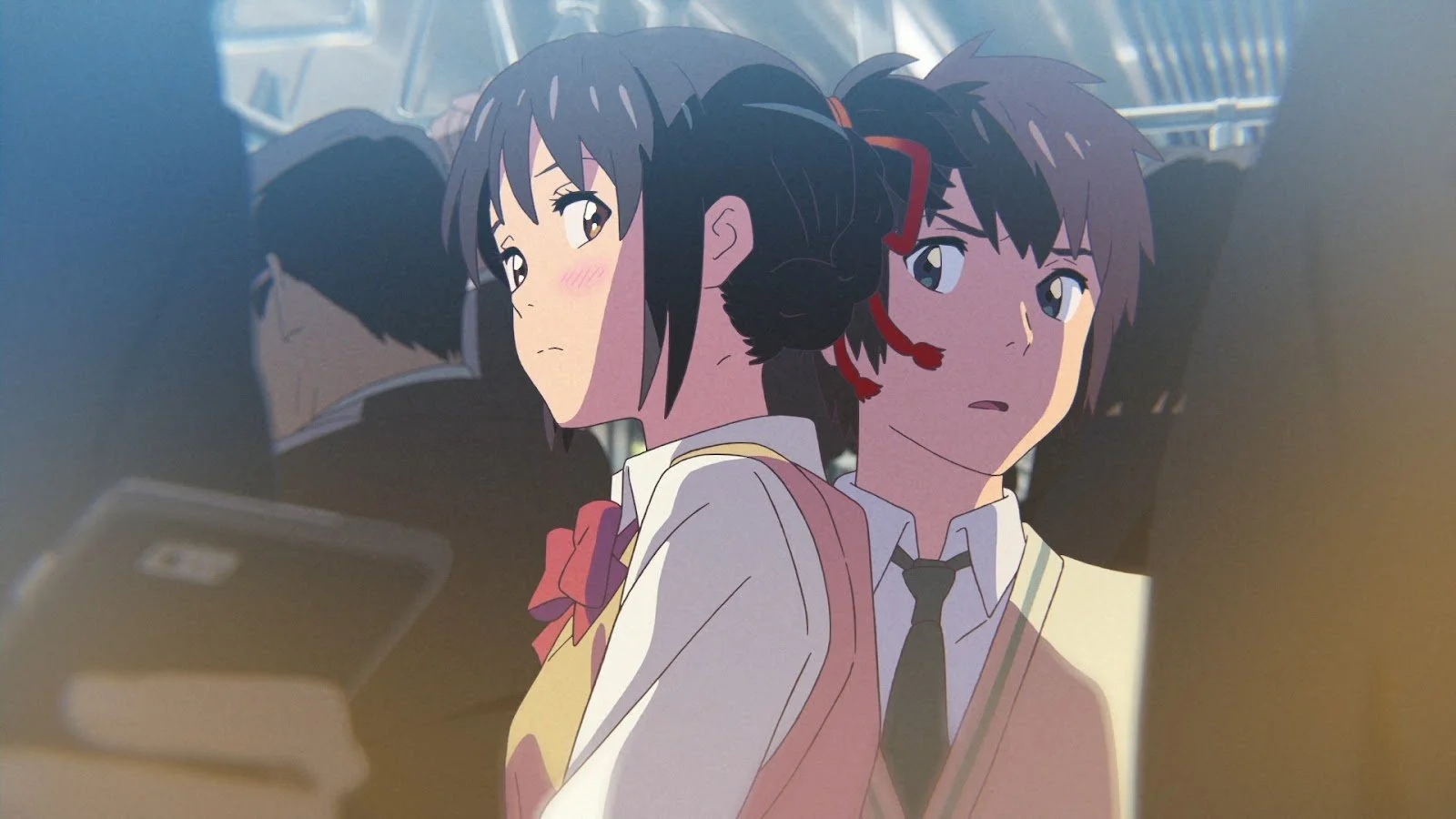
Still from Your Name (2016), accessed on Shotdeck
Memories of Murder (2003)
In the crime thriller and drama, “Memories of Murder,” directed by Bong Joon Ho, detectives in a South Korean province gradually grow obsessed with identifying a serial rapist/killer. In desperation to arrest the culprit, they go to questionable lengths, portraying the mental burden of elusiveness, and exposing the coercion and violence police resort to in the efforts to solve a case regardless of the truth.
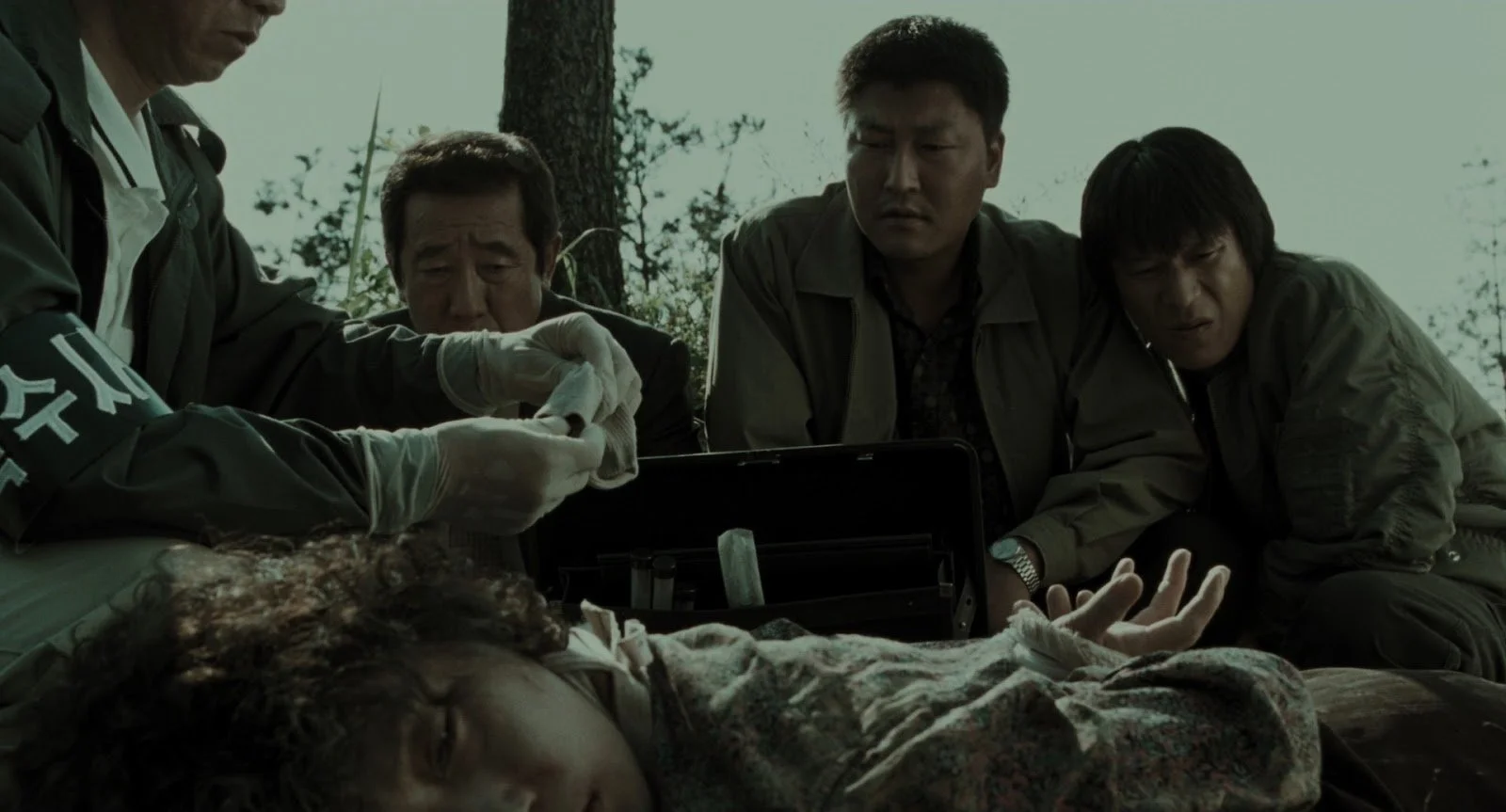
Still from Memories of Murder (2003), accessed via Shotdeck
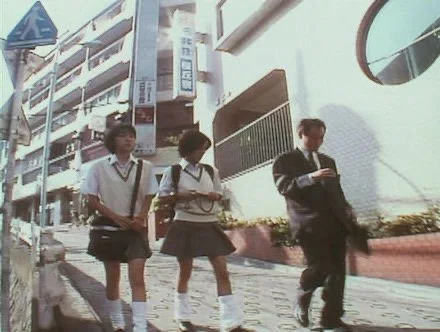
Love & Pop (1998)
“Love & Pop” is a grainy film cam drama about a group of teen girls facing the rampant normalization of being approached by men in exchange for money. The lead ventures out on her own to make enough money through compensated dating to afford a ring. Her introspective inner dialogue and director Hideaki Anno’s (director of “Neon Genesis Evangelion” series) POV angles and witty camera movements asks the viewer to walk in the teenager's shoes as they are objectified on a daily basis. The film, which gained some controversy, gives an honest and uncomfortable insight into the socio-economics of 90s Japan, and comments on the commodification of young girls.
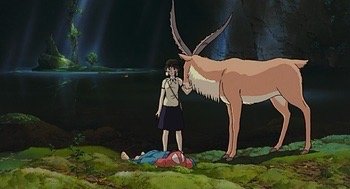
Still from Princess Mononoke (1997), accessed via Shotdeck
Princess Mononoke (1997)
“Princess Mononoke” is a Japanese anime with anthropomorphic animals which highlights the nuances of human versus nature. The prince of an endangered people ventures out to find a cure for a curse given to him by an animal god. On his travels, he discovers a young woman who is working with the animal gods to protect the forest from the harm of industrialization. Together, they must find a way to restore balance to the forest. Director Hayao Miyazaki is responsible for a number of widely appreciated animated films, such as “Ponyo” (2008), “Spirited Away” (2001), “My Neighbor Totoro” (1988), and many more!
Perfect Blue (1997)
“Perfect Blue” is an animated psychological thriller by director Satoshi Kon. A woman in a Japanese pop group suspects a fan is stalking her. Constantly looking over her shoulder, her paranoia blurs the lines of reality and identity, resulting in both internal and external danger. The anime confronts trauma, fame, privacy, and the commodification of human beings, (in particular, women). Although it is explicit, the animation utilizes a surreal lens that forces the viewer to feel the terror and objectification that plagues the lead character.
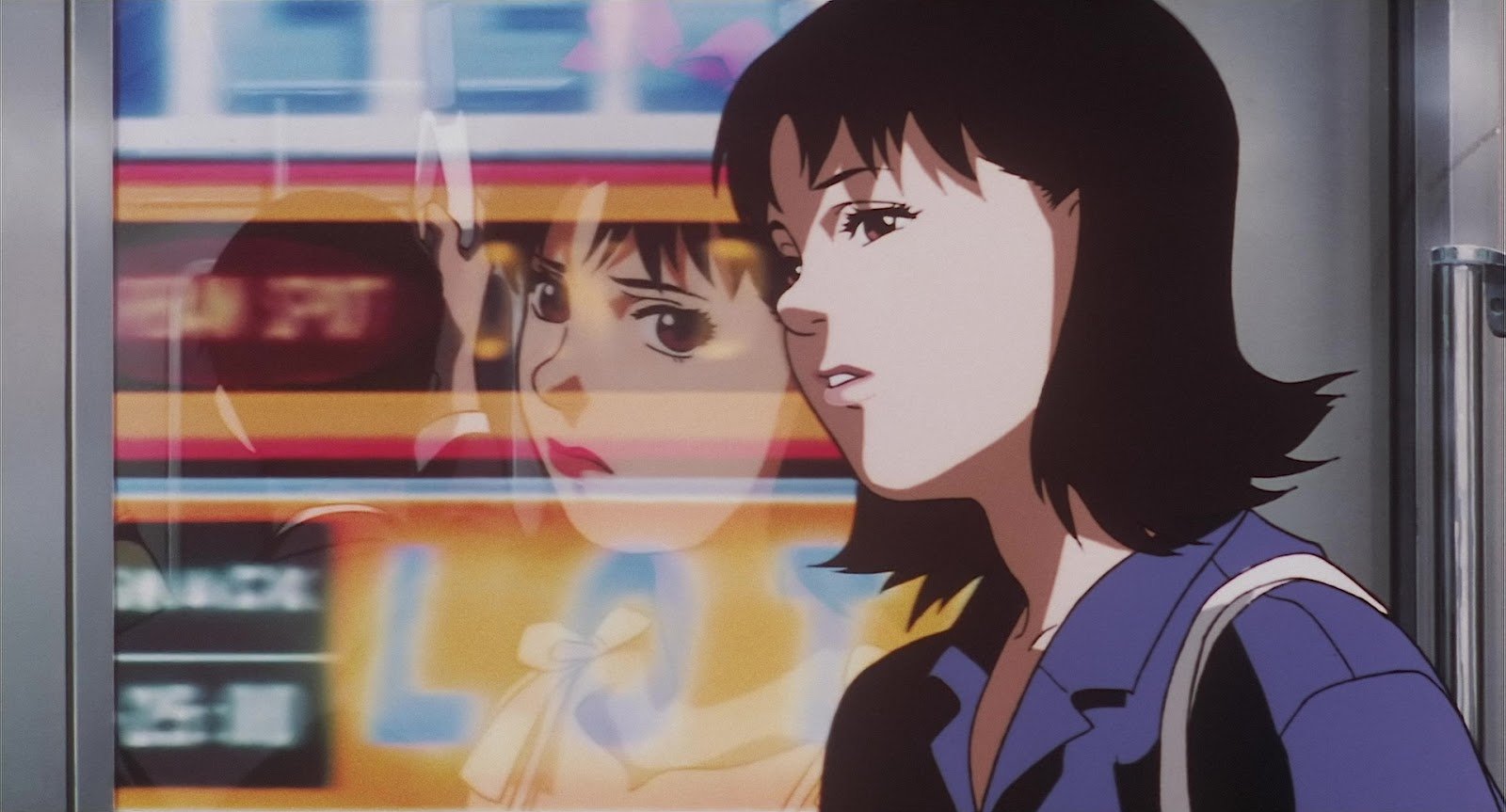
Still from Perfect Blue (1997), accessed via Shotdeck
Days of Being Wild (1990)
The first of six films in which Director Wong Kar-wai and cinematographer Christopher Doyle worked together to create their signature hazy, lived-in aesthetic. A slow burn with romance and action, the film centers around a young man who discovers the woman who raised him is not his birth mother. Careless in his love affairs, he travels to the Philippines in search of his family, leaving a string of people around him to make sense of their relationships.
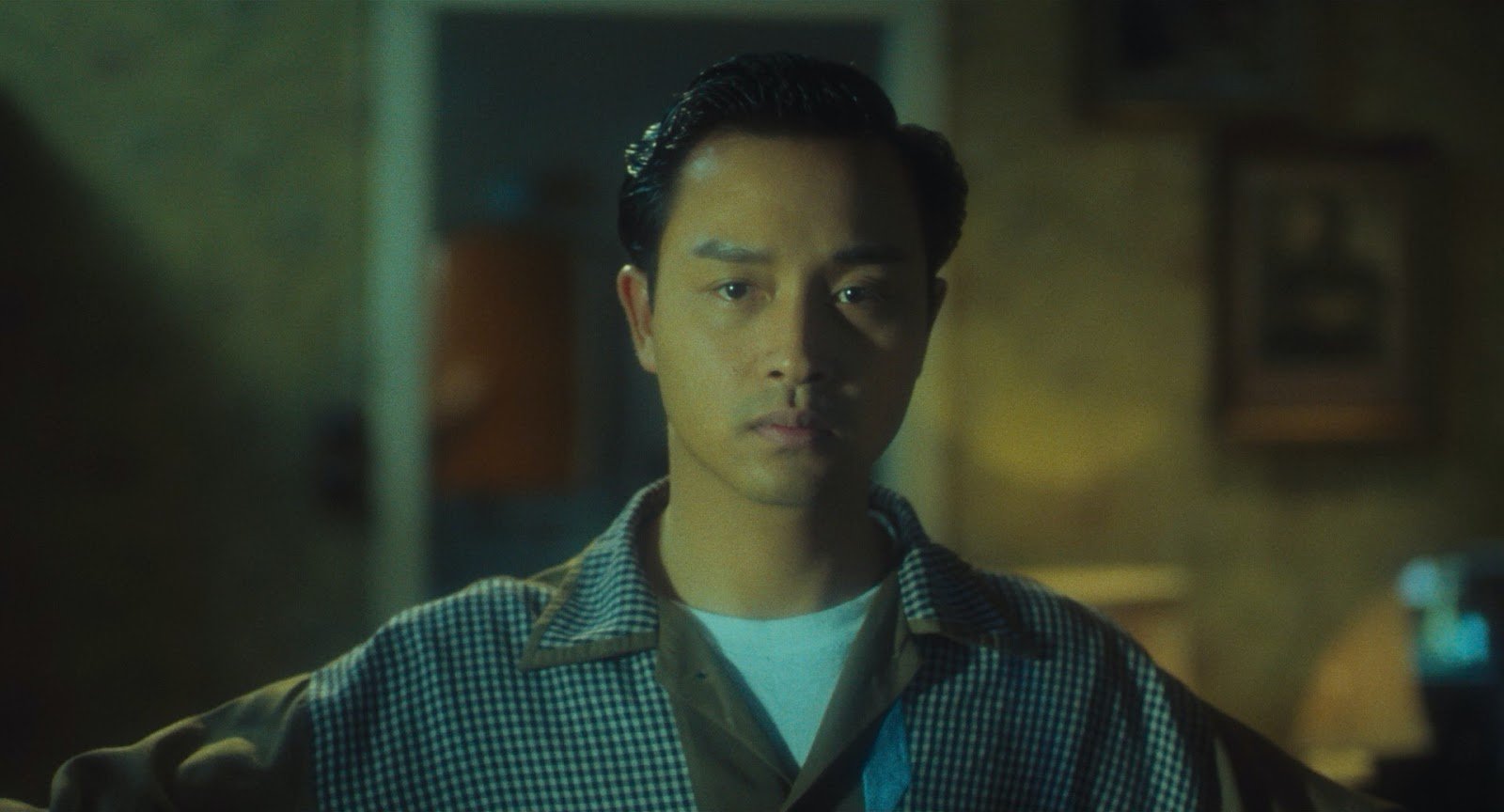
Leslie Cheung in still from Days of Being Wild (1990), accessed via Shotdeck
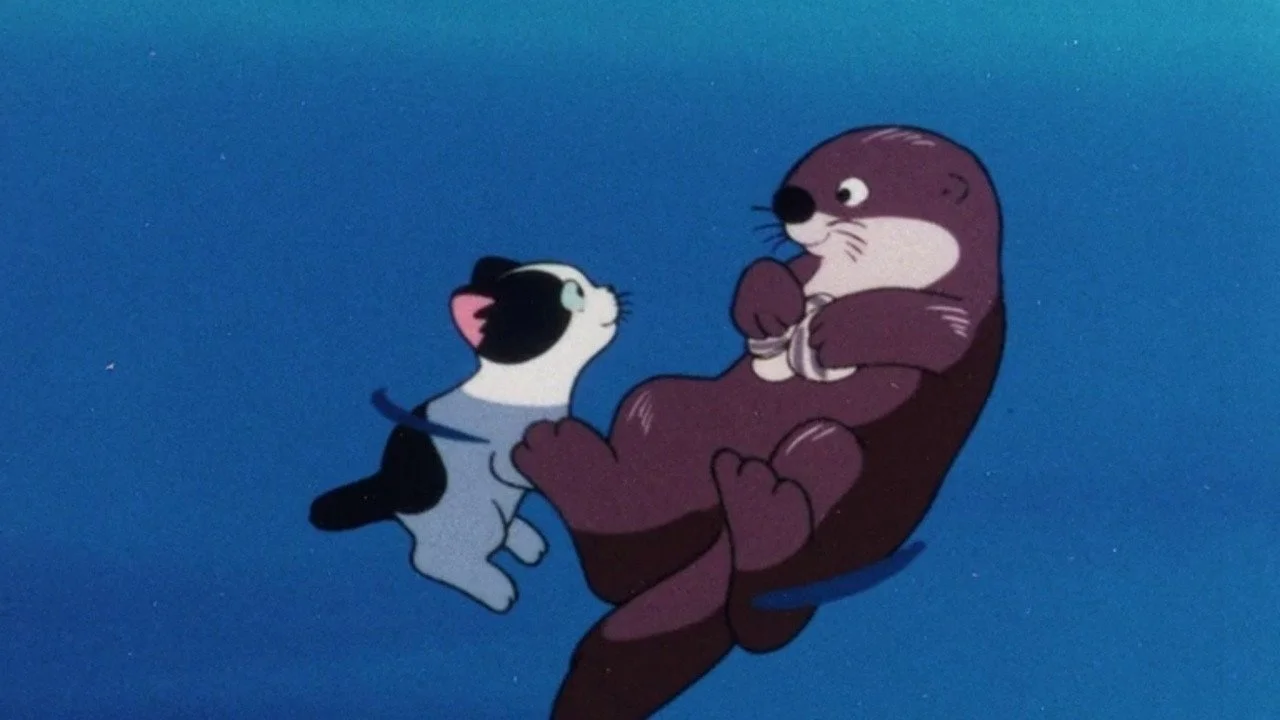
Sea Cat (1988)
“Sea Cat” is an animated Japanese short-film directed by Taku Sugiyama about a kitten who becomes lost at sea, eventually to be raised by a mother sea otter who teaches the kitten to swim. In just twenty minutes, the short film underlines the effects of nuclear weapons and war on the environment, sea life, and animals.
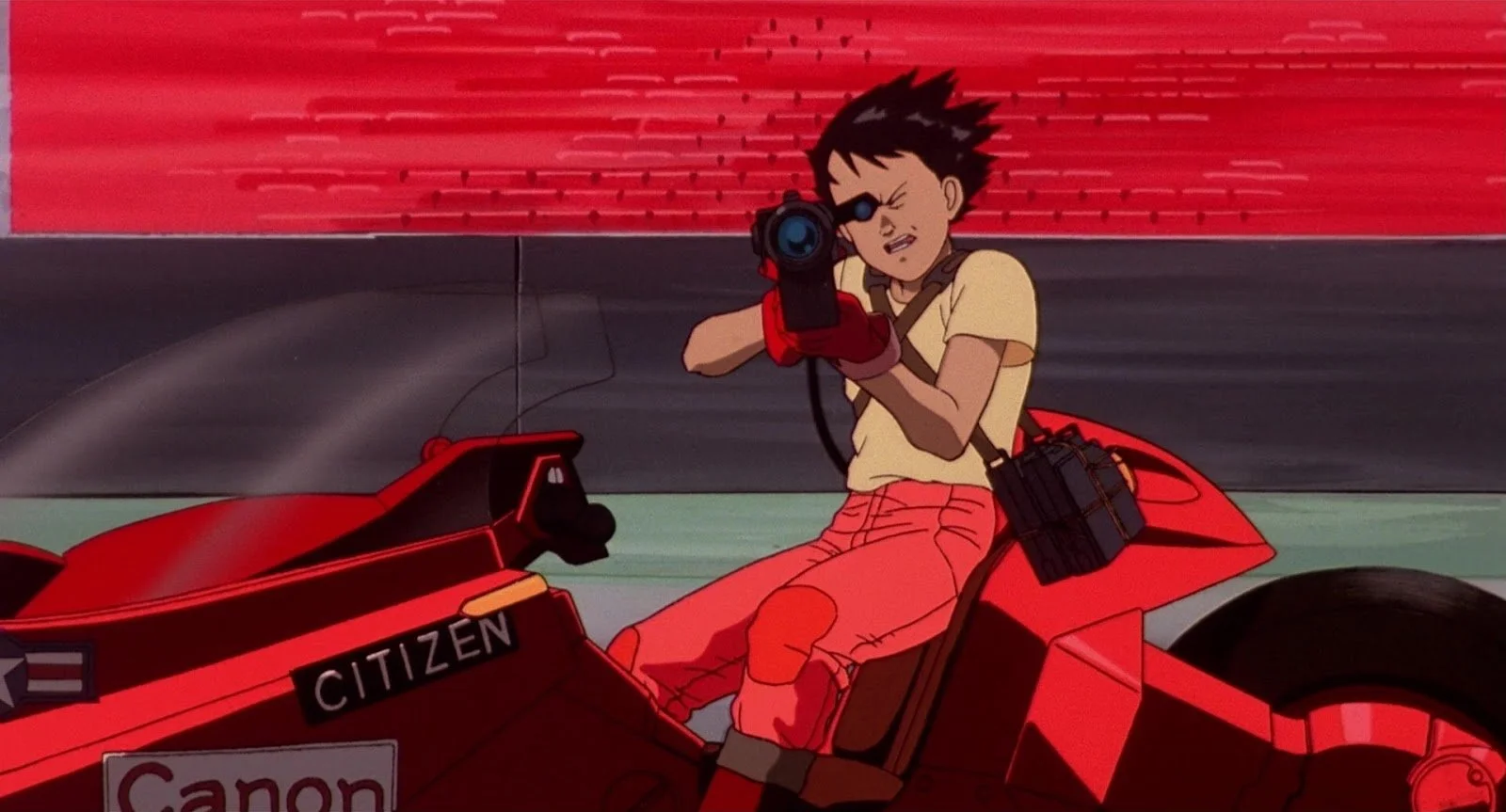
Still from Akira (1988), accessed via Shotdeck
Akira (1988)
“Akira” is a Japanese dystopian anime by directors Katsuhiro Otomo and Takashi Nakamura. Theorized to remark on post-war Japan, “Akira” takes place in a cyberpunk city, called Neo-Tokyo, recovering from an atomic bomb. A biker gang becomes mixed up in government experimentation and the leader must find a way to prevent the destruction of their city once again. “Akira” is based on the manga of the same name and its themes confront military corruption, war, rebirth, and both personal and societal identity.